
Habitat destruction occurs when natural environments are altered or removed to the point that they can no longer support the plants and animals that depend on them. From dense forests to coral reefs, these habitats play a critical role in maintaining ecological stability. However, as human demands continue to grow, natural spaces are being cleared, polluted, or fragmented at an unprecedented pace.
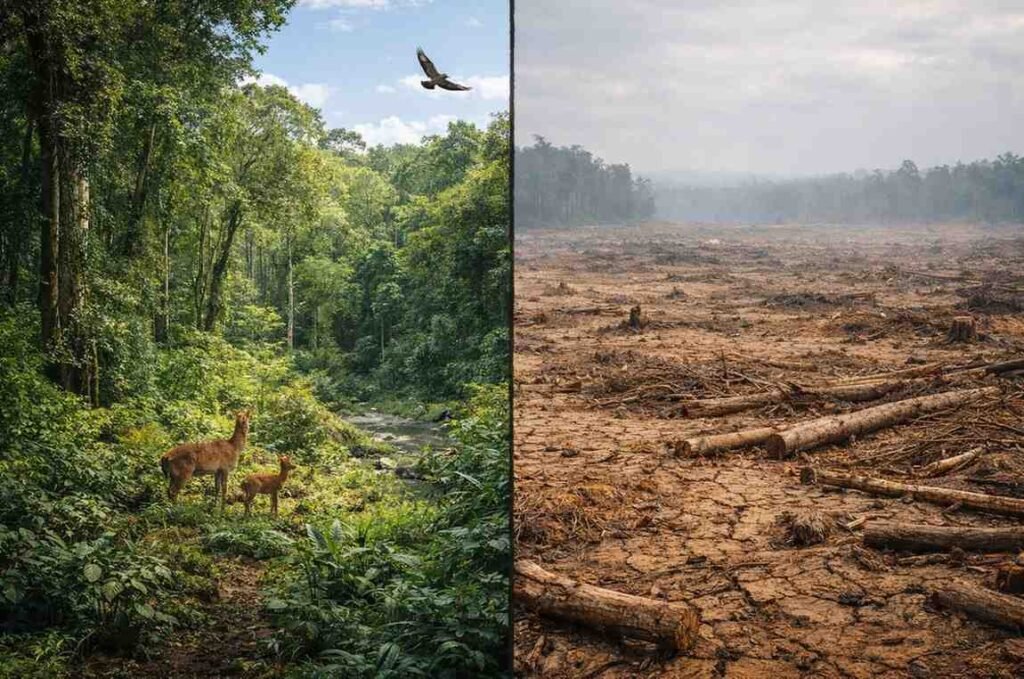
Activities such as deforestation, large-scale farming, urban expansion, and industrial development are major contributors to habitat destruction. While these actions often aim to improve living standards, they unintentionally trigger the loss of biodiversity by eliminating food sources, shelter, and breeding grounds for countless species. Many organisms are unable to adapt quickly enough, leading to population decline and extinction.
The damage does not stop with wildlife. When habitats disappear, ecosystems lose their balance, resulting in environmental imbalance that affects climate regulation, soil health, and water systems. These disruptions ultimately impact human life as well. This article explores what habitat destruction is, why it happens, and how its environmental consequences threaten both nature and the future of our planet.
What Is Habitat Destruction?
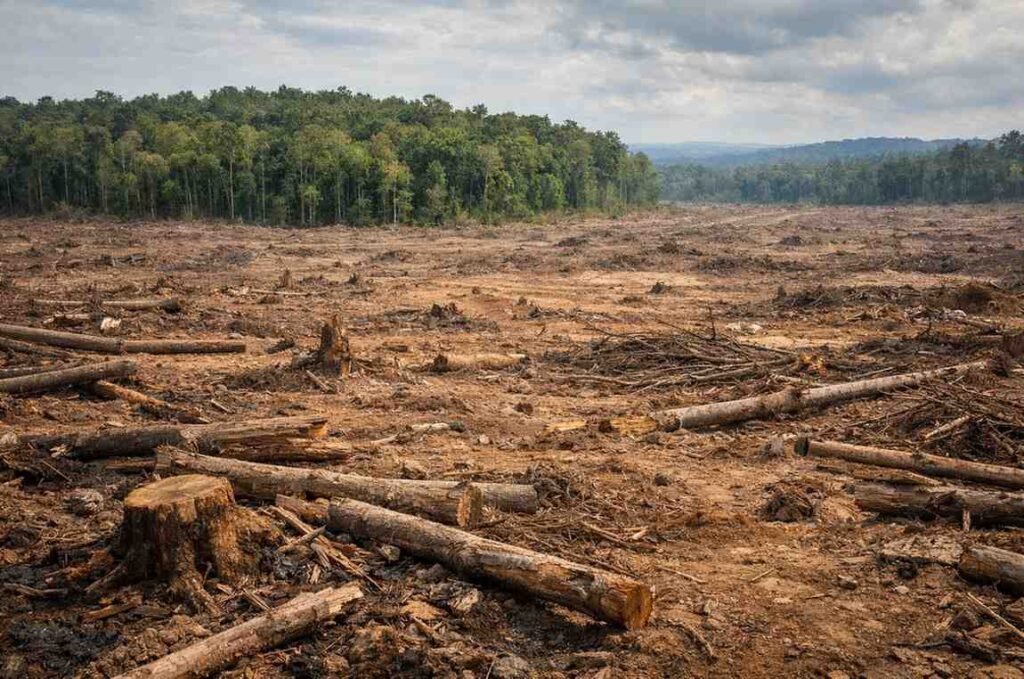
Habitat destruction refers to the process in which natural living environments are damaged or eliminated, making them unsuitable for the species that rely on them for survival. When a habitat is destroyed, plants and animals lose access to essential resources such as food, shelter, and breeding areas. Over time, this leads to ecosystem degradation, where natural systems lose their structure, function, and ability to sustain life.
While some habitat destruction can occur naturally through events like wildfires, floods, or volcanic eruptions, these processes usually allow ecosystems to recover over time. The most severe and long-lasting damage, however, is caused by human activities. Land clearing for agriculture, urban development, mining, and industrial projects often removes habitats faster than nature can regenerate, leaving permanent ecological scars.
Examples of habitat destruction can be found across the planet. Forests are cleared for timber and farmland, wetlands are drained for construction and flood control, and oceans are damaged by pollution, overfishing, and coral reef destruction. Each of these actions contributes to ecosystem degradation, disrupting ecological balance and threatening countless species with displacement or extinction.
| Habitat Type | Destruction Cause |
|---|---|
| Forests | Deforestation |
| Wetlands | Drainage |
| Grasslands | Urban expansion |
| Coastal | Pollution |
Major Causes of Habitat Destruction
Infrastructure Development
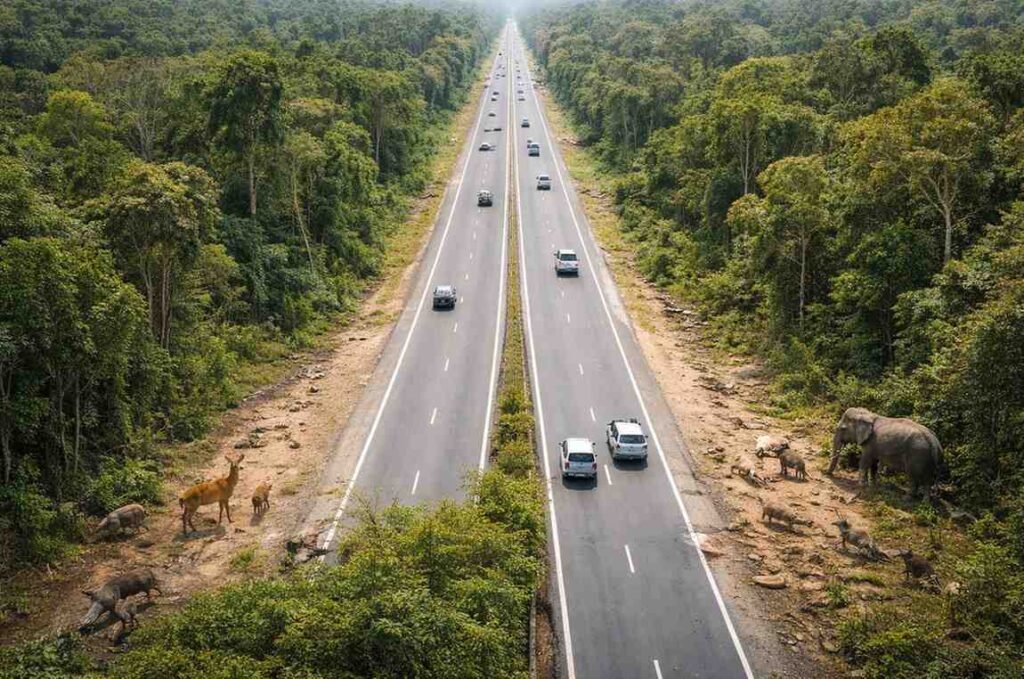
Infrastructure development is a major driver of habitat destruction as natural landscapes are cleared to make way for roads, dams, cities, and industrial facilities. Large construction projects often require extensive land modification, removing vegetation and altering landforms that many species depend on for survival.
One of the most damaging outcomes of infrastructure development is habitat fragmentation. When roads and urban areas divide natural spaces into smaller, isolated patches, wildlife movement is restricted. Animals struggle to find food, mates, and safe migration routes, which weakens populations over time.
As infrastructure expands, wildlife displacement becomes unavoidable. Species are forced into smaller areas or pushed into unfamiliar environments where survival is more difficult. This disruption not only threatens animal populations but also reduces ecosystem stability, increasing the long-term environmental impact of habitat destruction.
Industrial Development
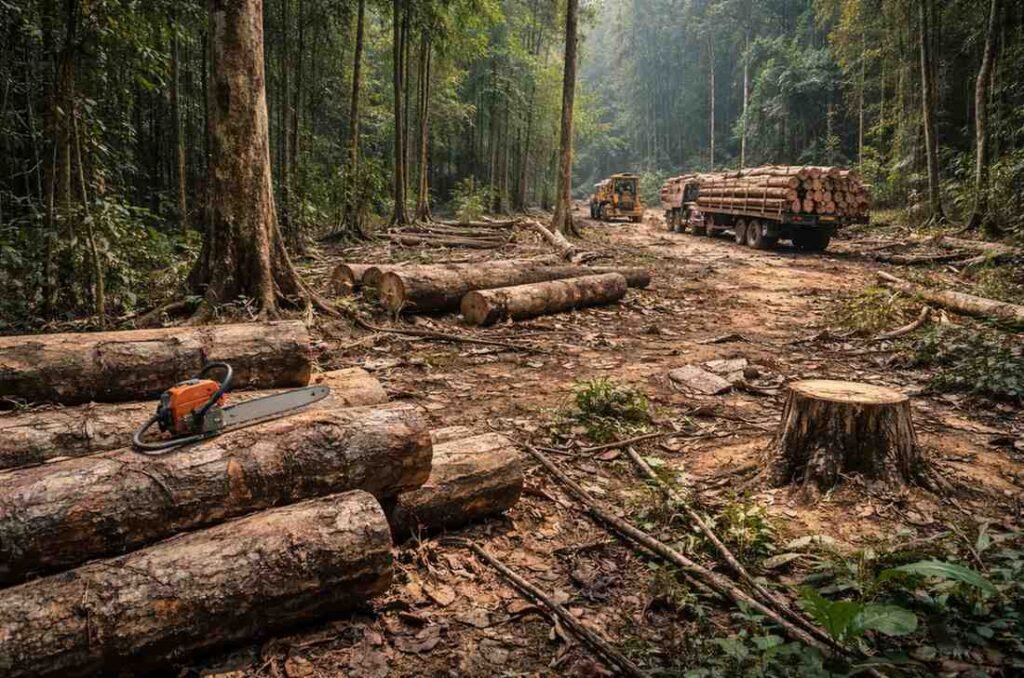
Industrial development significantly contributes to habitat destruction by transforming natural land into mining sites, factories, and energy facilities. Mining operations strip away vegetation and topsoil, leaving behind degraded landscapes that struggle to recover. Manufacturing zones and industrial complexes often replace forests, wetlands, and grasslands, causing permanent land-use change.
Pollution is another major consequence of industrial development. Factories release harmful chemicals into the air, soil, and water, contaminating surrounding habitats and making them unsafe for wildlife. Over time, these activities reduce ecosystem health, disrupt food chains, and accelerate biodiversity loss.
| Industry Type | Environmental Impact |
|---|---|
| Mining | Land degradation |
| Manufacturing | Air & water pollution |
| Energy plants | Habitat loss |
Effects of Habitat Destruction on Ecosystems
Loss of Biodiversity
Loss of biodiversity is one of the most immediate and severe effects of habitat destruction. When natural environments disappear, many species are unable to adapt or relocate, leading to population declines and, in extreme cases, extinction. Plants and animals with specialized habitat needs are especially vulnerable, as even small environmental changes can threaten their survival.
Beyond species extinction, habitat destruction also reduces genetic diversity within populations. Smaller, isolated groups are more prone to disease, inbreeding, and environmental stress, which weakens their ability to adapt to future changes. Over time, this genetic erosion makes ecosystems less resilient.
The loss of biodiversity can also trigger food chain collapse. When key species disappear, predator-prey relationships are disrupted, affecting multiple levels of the ecosystem. These imbalances can spread rapidly, altering ecosystem functions and further accelerating environmental degradation.
Ecosystem Degradation
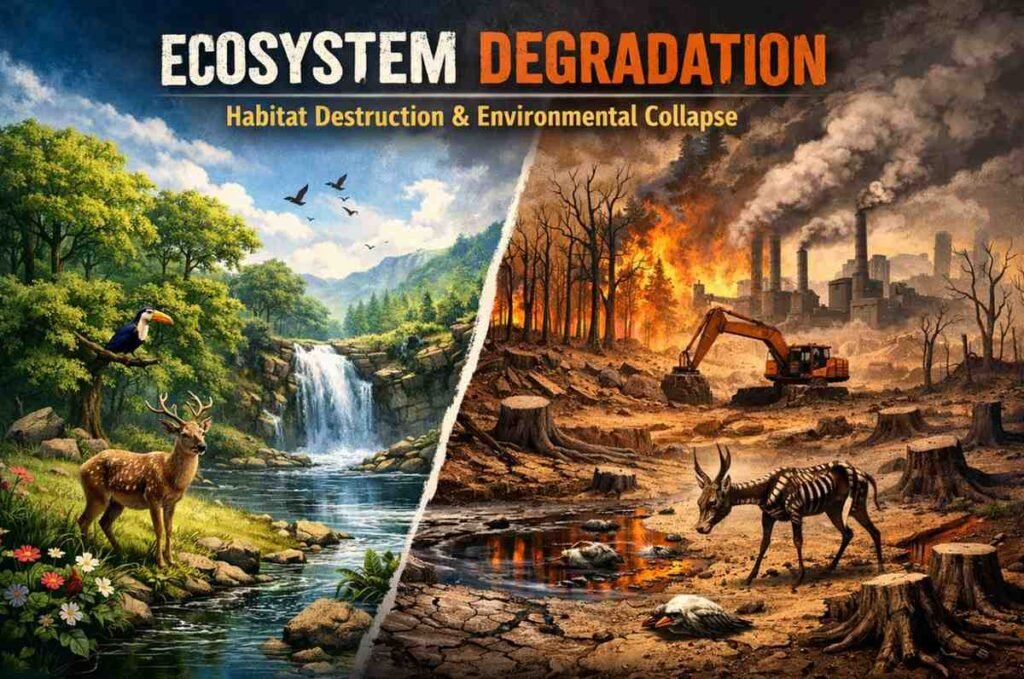
Ecosystem degradation refers to the gradual decline in the health and functionality of natural systems due to human activities and environmental pressures. When ecosystems are degraded, they lose their ability to support life, regulate natural processes, and recover from disturbances. This degradation has far-reaching consequences that affect biodiversity, climate stability, and human well-being.
One of the most serious impacts of ecosystem degradation is reduced resilience. Healthy ecosystems can adapt to changes such as climate fluctuations, floods, or droughts. However, when forests are cleared, wetlands drained, or coral reefs damaged, these systems become fragile. Even minor disturbances can cause long-term damage, making recovery slow or sometimes impossible.
Another critical outcome is the loss of natural balance. Ecosystems rely on complex relationships between plants, animals, microorganisms, and their physical environment. When this balance is disrupted—through pollution, overexploitation of resources, or habitat destruction—food chains collapse, species populations become unstable, and essential ecological processes such as nutrient cycling are interrupted.
Ecosystem degradation also accelerates the spread of invasive species. Disturbed environments provide ideal conditions for non-native species to thrive, often outcompeting native plants and animals for resources. These invasive species further weaken ecosystems by altering habitats, reducing biodiversity, and increasing the risk of extinction for indigenous species.
In the long run, ecosystem degradation not only threatens natural environments but also undermines the services ecosystems provide to humans, including clean air, fertile soil, and water regulation. Protecting and restoring degraded ecosystems is essential to maintain ecological stability and ensure a sustainable future.
Ecological and Environmental Imbalance
Ecological imbalance and environmental imbalance occur when natural systems are pushed beyond their capacity to maintain stability. These imbalances are often the result of human interference such as deforestation, industrial pollution, urban expansion, and unsustainable resource use. When ecosystems lose their equilibrium, both nature and human societies face serious consequences.
One of the most visible effects of ecological imbalance is the disruption of natural cycles. Processes such as the water cycle, carbon cycle, and nutrient recycling depend on healthy ecosystems to function smoothly. When forests are destroyed or water bodies polluted, rainfall patterns become irregular, soil fertility declines, and climate regulation is disturbed. Over time, these disrupted cycles intensify environmental stress and increase the frequency of extreme events like droughts and floods.
Environmental imbalance also leads to growing human-wildlife conflict. As natural habitats shrink and food sources disappear, wildlife is forced to move closer to human settlements in search of survival. This results in crop damage, livestock losses, and safety risks for both humans and animals. Such conflicts often end in the injury or death of wildlife, further worsening biodiversity loss and ecological instability.
Together, ecological and environmental imbalances weaken the natural systems that support life on Earth. Addressing these issues requires sustainable land use practices, conservation of natural habitats, and a balanced approach to development that respects ecological limits. Only by restoring balance can long-term environmental stability be achieved.
Increase in Natural Disasters
Ecological and environmental imbalances significantly contribute to the rising frequency and intensity of natural disasters. When ecosystems are disturbed, their ability to regulate natural forces weakens, making disasters more destructive and less predictable.
Deforestation, wetland destruction, and unplanned urbanization remove natural barriers that once absorbed excess rainfall and stabilized land. As a result, floods become more severe, landslides occur more frequently, and droughts last longer. Similarly, climate-related imbalances caused by ecosystem damage intensify heatwaves, cyclones, and irregular rainfall patterns.
Healthy ecosystems act as natural defense systems against disasters. When these systems are degraded, communities become more vulnerable, leading to loss of life, property damage, and long-term economic setbacks. Restoring ecological balance is therefore not only an environmental priority but also a critical step in disaster risk reduction.
Soil Erosion and Degradation
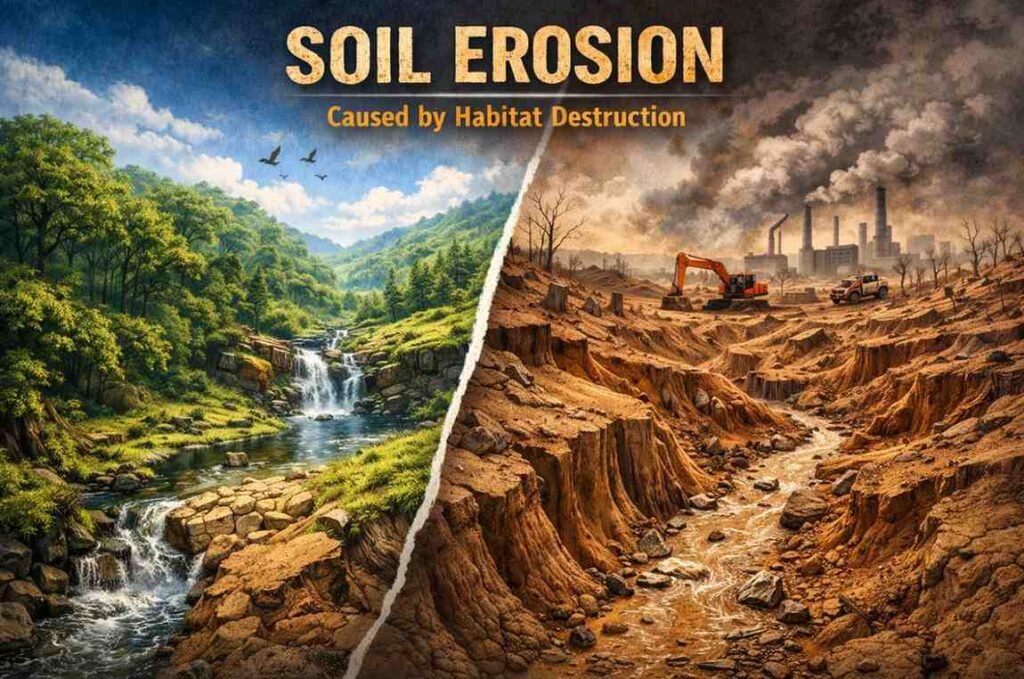
Soil erosion and degradation are among the most serious consequences of environmental mismanagement. Soil is a vital natural resource that supports agriculture, vegetation, and entire ecosystems. When it deteriorates, food security and ecological stability are directly threatened.
Trees, grasses, and plants play a crucial role in holding soil together with their root systems. When vegetation is removed due to deforestation, overgrazing, or construction activities, the soil becomes exposed to wind and water erosion. This leads to the gradual washing away of the fertile topsoil layer.
Another major concern is reduced soil fertility. Degraded soil loses essential nutrients and organic matter needed for plant growth. Continuous use of chemical fertilizers, improper irrigation, and erosion further weaken soil structure, making it less productive over time. Once fertility declines, restoring soil health becomes a slow and costly process.
The agricultural impact of soil erosion and degradation is severe. Farmers experience lower crop yields, increased production costs, and declining land value. In extreme cases, farmland becomes completely unproductive, forcing communities to abandon agricultural activities. This not only affects rural livelihoods but also places pressure on food supply systems.
Preventing soil erosion and degradation requires sustainable farming practices, afforestation, proper land management, and soil conservation techniques. Protecting soil health is essential for long-term agricultural productivity, environmental balance, and economic stability.
Causes and Results of Environmental Degradation
| Cause | Result |
|---|---|
| Tree removal | Soil erosion |
| Overgrazing | Land degradation |
| Heavy rainfall | Flooding |
Loss of Ecosystem Services
The loss of ecosystem services refers to the decline in the natural benefits that ecosystems provide to support life on Earth. These services are essential for human survival and environmental stability, yet they are often taken for granted. As ecosystems degrade due to deforestation, pollution, and climate change, their ability to function effectively is significantly reduced.
One of the most critical ecosystem services is clean air. Forests, wetlands, and oceans act as natural air filters by absorbing pollutants and releasing oxygen. When these ecosystems are damaged or destroyed, air quality deteriorates, leading to increased respiratory problems and reduced overall health for both humans and wildlife.
Water purification is another vital service affected by ecosystem loss. Natural systems such as wetlands, rivers, and soil layers filter contaminants from water, ensuring safe and usable freshwater supplies. When these systems are disrupted, water becomes polluted with chemicals, sediments, and waste, increasing the risk of waterborne diseases and placing pressure on artificial water treatment facilities.
Ecosystems also play a major role in climate regulation. Forests and oceans absorb and store carbon dioxide, helping to control global temperatures. The destruction of these natural carbon sinks accelerates global warming, resulting in unpredictable weather patterns, rising sea levels, and extreme climate events.
Additionally, the decline of ecosystems severely impacts pollination, a process essential for food production. Bees, butterflies, birds, and other pollinators rely on healthy habitats to survive. When ecosystems are degraded, pollinator populations decline, threatening crop yields and global food security.
Protecting ecosystem services is crucial for maintaining environmental balance and human well-being. Sustainable resource management, conservation efforts, and ecosystem restoration are necessary to prevent further loss and ensure that nature continues to support life on the planet.
Habitat Destruction and Climate Instability
Habitat destruction is one of the major drivers of climate instability, disrupting natural systems that regulate the Earth’s temperature, rainfall patterns, and food chains. Forests, wetlands, and grasslands play a crucial role in absorbing carbon dioxide, maintaining the water cycle, and supporting food security. When these ecosystems are damaged or removed, the balance between oxygen production, water availability, and agricultural stability is severely affected.
One of the most direct links between habitat destruction and climate instability is the rise in carbon emissions. When trees are cut down or burned, this stored carbon is released back into the air, increasing greenhouse gas concentrations. Deforestation for agriculture, urban expansion, and industrial development accelerates carbon emissions, weakening nature’s ability to regulate the climate.
This increase in greenhouse gases contributes significantly to global warming. As natural habitats disappear, the planet loses its ability to cool itself through shade, transpiration, and moisture retention. Rising global temperatures disrupt the water cycle, leading to irregular rainfall, prolonged droughts, and shrinking freshwater sources. These changes directly threaten food security by reducing crop proFrequently Asked Questions (FAQs)ductivity and increasing stress on farming communities.
Another serious outcome of habitat destruction is the rise in extreme weather events. Climate instability increases the frequency and intensity of floods, heatwaves, cyclones, and wildfires. The loss of forests and wetlands reduces natural protection against floods and storms, making human settlements more vulnerable. At the same time, prolonged heatwaves and droughts damage soil quality, reduce oxygen-producing vegetation, and weaken ecosystems further.
In the long run, unchecked habitat destruction creates a dangerous cycle where climate instability worsens environmental damage, and environmental damage accelerates climate change. Protecting natural habitats is therefore essential not only for biodiversity but also for stabilizing the climate, preserving the water cycle, and ensuring long-term food security for future generations.
Impact of Habitat Destruction on Human Life
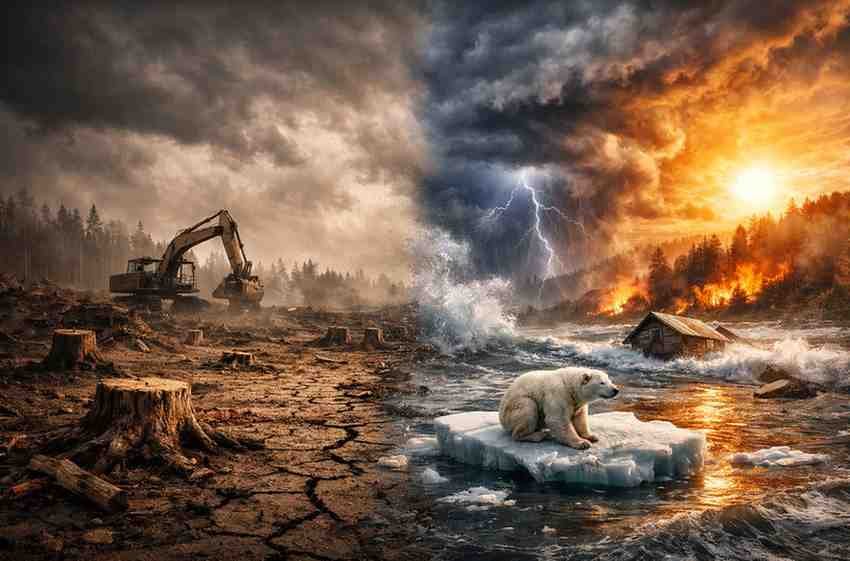
Habitat destruction has a direct and lasting impact on human life, going far beyond environmental loss. As natural ecosystems are damaged or removed, environmental degradation accelerates, leading to an ecosystem imbalance that affects food systems, public health, and overall quality of life. Humans depend on stable ecosystems for clean air, fresh water, fertile soil, and climate regulation—when these supports weaken, everyday survival becomes more difficult.
One of the most serious consequences of habitat destruction is food insecurity. Forests, wetlands, and grasslands support agriculture by maintaining soil fertility, regulating rainfall, and protecting crops from extreme climate conditions. Due to environmental degradation, soil erosion increases, water sources dry up, and pollinators decline. This reduces crop yields and raises food prices, making nutritious food less accessible, especially for vulnerable communities. An ecosystem imbalance also disrupts fisheries and livestock systems, further threatening global food security.
Health risks rise sharply as habitats disappear. Deforestation and urban expansion bring humans closer to wildlife, increasing the spread of zoonotic diseases. Polluted air and contaminated water—both outcomes of environmental degradation—contribute to respiratory illnesses, waterborne diseases, and long-term health complications. Additionally, rising temperatures and unstable weather patterns increase heat-related illnesses and mental stress, particularly in densely populated regions.
In the long term, continued habitat destruction weakens natural defenses that protect human life. An ecosystem imbalance reduces nature’s ability to purify air and water, control disease, and support sustainable food production. Protecting habitats is not only an environmental responsibility but a critical step toward safeguarding human health, food security, and a stable future for society.
Frequently Asked Questions (FAQs)
Q1: What is habitat destruction?
Habitat destruction refers to the process by which natural environments such as forests, wetlands, grasslands, and oceans are damaged or completely eliminated due to human activities like deforestation, urbanization, mining, and agriculture. It reduces the ability of ecosystems to support wildlife and human life.
Q2: How does habitat destruction cause biodiversity loss?
Habitat destruction removes food sources, shelter, and breeding grounds for plants and animals. As ecosystems shrink or disappear, many species cannot adapt quickly enough, leading to population decline and extinction, which results in severe biodiversity loss and ecosystem imbalance.
Q3: What role does infrastructure development play?
Infrastructure development such as roads, dams, cities, and industrial projects is a major cause of habitat destruction. It fragments natural habitats, increases pollution, and disrupts wildlife movement, accelerating environmental degradation and climate instability.
Q4: Can habitat destruction be reversed?
While complete recovery is difficult, habitat destruction can be reduced and partially reversed through reforestation, habitat restoration, wildlife conservation, and sustainable land-use practices. Early action and long-term environmental planning are key to restoring ecosystem balance.
Conclusion
Habitat destruction is one of the most serious environmental challenges facing the planet today. It disrupts ecosystems, accelerates climate change, and threatens food security, human health, and biodiversity. As forests, wetlands, and natural landscapes disappear, the balance that supports life on Earth weakens. Addressing habitat destruction through conservation, sustainable development, and responsible human actions is essential to protect the environment and ensure a healthy, stable future for generations to come.