
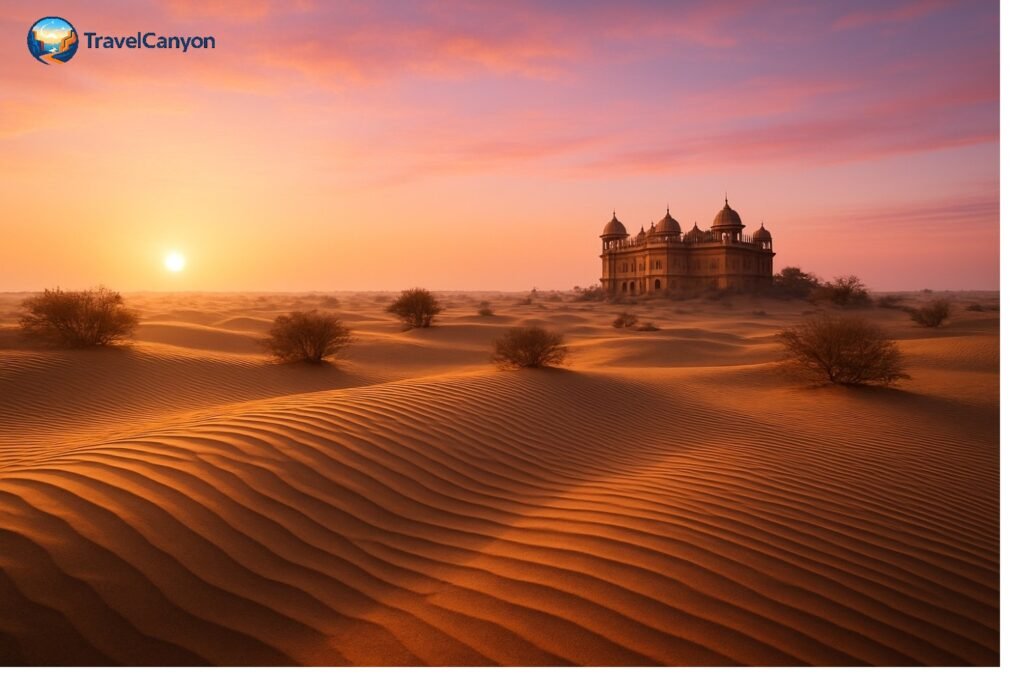
Rajasthan, often celebrated for its majestic palaces, golden deserts, and vibrant culture, transforms into an enchanting wonderland during winter. As the scorching heat fades, the state reveals a softer, more magical side—one where travelers can wander comfortably through ancient forts, walk across serene lakes, and explore remote hamlets wrapped in cool desert winds. Winter in Rajasthan brings out colors that feel richer, skies that look clearer, and landscapes that appear almost painted.
This is also the perfect season to move beyond the predictable tourist trails. While Jaipur, Udaipur, and Jaisalmer remain timeless icons, there are countless Rajasthan hidden gems tucked away from crowds—places filled with history, charm, and unfiltered authenticity. Winter opens the door to offbeat adventures, be it trekking through the Aravalli hills, spotting wildlife in quiet reserves, or discovering forgotten architectural marvels.
For anyone longing for a mix of culture, adventure, and peaceful escapes, Rajasthan in winter promises an experience that blends romance, thrill, and genuine discovery.
| Destination | Best For | Highlights | Ideal Duration | Winter Appeal |
|---|---|---|---|---|
| Bundi | Architecture & Slow Travel | Bundi Palace, Stepwells, Blue Lanes | 1–2 days | Misty mornings, fewer tourists |
| Mount Abu | Nature & Relaxation | Nakki Lake, Guru Shikhar, Sunset Point | 1–2 days | Cool mountain weather |
| Kumbhalgarh | History & Trekking | Great Wall of India, Badal Mahal | 1 day | Perfect trekking climate |
| Osian | Desert & Temples | Jain Temples, Desert Camps | 1 day | Comfortable safaris |
| Jawai | Wildlife & Adventure | Leopard Safaris, Granite Hills | 1–2 days | Peak leopard movement |
Why Visit Rajasthan in Winter
Pleasant Weather for Exploration
Rajasthan’s winter climate is tailor-made for travelers. Daytime temperatures remain pleasantly warm, hovering between 12°C and 25°C, which makes sightseeing endlessly comfortable. Whether you’re climbing the ramparts of historic forts, walking through old bazaars, or navigating hilly terrains, the crisp winter air enhances the experience. The cool mornings and evenings add an element of coziness, making sunrise and sunset moments especially breathtaking. This climate also brings desert regions to life—no harsh sun, no heat exhaustion—just perfect conditions for exploration.
Fewer Tourists, More Authentic Experiences
While Rajasthan remains a popular destination year-round, many offbeat spots continue to remain blissfully peaceful even during peak winter. Fewer tourists mean that you can experience these destinations in their most authentic form: quiet fort corridors, empty vantage points, untouched dunes, and local interactions that feel more genuine. Smaller towns like Bundi and Osian let you wander freely without the usual tourist rush, offering a deeper connection with Rajasthan’s true soul.
Winter Festivals & Cultural Highlights
Winter also marks the season of festivals that showcase Rajasthan’s cultural richness. From the Mount Abu Winter Festival and Kumbhalgarh Festival to local rural fairs filled with music, dance, and artisan displays, winter events celebrate the essence of the state like no other time of year. Folk musicians, traditional dancers, camel parades, and artisanal markets create an atmosphere of color and joy. For culturally curious travelers, this is the finest time to witness Rajasthan’s heritage in full bloom.
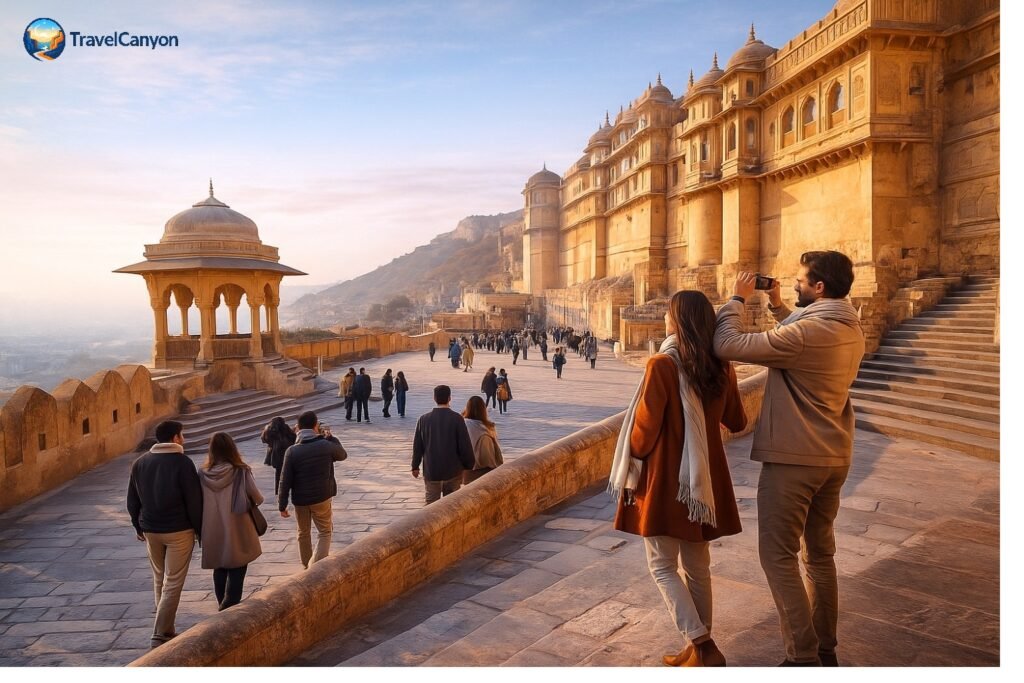
Top Hidden Gems in Rajasthan for Winter Travelers
Bundi – Rajasthan’s Underrated Blue Town
Bundi is one of Rajasthan’s most charming yet overlooked destinations—a picturesque town painted in calming shades of blue, tucked beneath rugged hills. Despite its modest size, Bundi is filled with incredible architecture, serene lakes, and timeless stories carved into stone.
Key Attractions
- Bundi Palace – A masterpiece of Rajput architecture, adorned with intricate murals depicting royal life and mythological scenes.
- Taragarh Fort – Known as the “Star Fort,” it offers panoramic views and ancient battlements.
- Stepwells (Baoris) – Bundi’s stepwells, especially Raniji ki Baori, are architectural marvels with ornate pillars and symmetrical beauty.
- Nawal Sagar Lake – A peaceful lake surrounded by blue houses and reflections of temples on the water.
What Makes It Perfect for Winter
Winter enhances Bundi’s beauty with misty mornings, cool breezes, and pleasant walking conditions. Its hilly terrain becomes easier to explore, and the quiet streets feel even more inviting. It’s ideal for travelers seeking serenity, photography, and slow, immersive travel among Rajasthan hidden gems.
| Activity | Best Location | Difficulty Level | Ideal Time | Why Winter Is Perfect |
|---|---|---|---|---|
| Desert Safari | Osian, Khimsar, Jaisalmer | Easy | Morning/Evening | Cool winds & clear skies |
| Dune Bashing | Jaisalmer, Osian | Medium | Afternoon | Stable dunes & mild temps |
| Aravalli Trekking | Kumbhalgarh, Mount Abu | Easy–Moderate | Morning | Crisp air & scenic views |
| Leopard Safari | Jawai | Easy | Early Morning | Better visibility |
| Camping | Sam Dunes, Kumbhalgarh, Jawai | Easy | Night | Clear starry skies |
Mount Abu – The Winter Retreat
Mount Abu, Rajasthan’s only hill station, is a refreshing contrast to the desert landscapes the state is known for. Nestled in the Aravalli Range, it offers cool weather, lush greenery, and tranquil hideaways—making it one of the most refreshing winter destinations in Rajasthan.
Scenic Points
- Nakki Lake – Surrounded by quirky rock formations and vibrant markets, it’s perfect for peaceful boat rides.
- Guru Shikhar – The highest point in the Aravallis, offering magnificent views and crisp mountain air.
- Sunset Point – A magical spot where the sky bursts into shades of orange and gold every evening.
Nature Walks and Calm Getaway
The winter season transforms Mount Abu into a dreamy escape for nature lovers. Trails like the Trevor’s Tank route or the path to Toad Rock feel especially inviting with blooming foliage and cool temperatures. Unlike the rest of Rajasthan, Mount Abu carries a soothing stillness—ideal for meditation, writing, or simply unwinding.
Kumbhalgarh – Home to the Great Wall of India
Kumbhalgarh is a powerful symbol of Rajasthan’s royal heritage. Its enormous fort, encircled by a 36-kilometer wall—second longest in the world—is nothing short of awe-inspiring.
Fort Highlights
- Kumbhalgarh Fort – The centerpiece, with massive gates, ancient temples, and commanding viewpoints.
- Badal Mahal – Known for its pastel interiors and panoramic valley views.
- Light & Sound Show – A dramatic retelling of the fort’s history, made even more enchanting by winter nights.
Adventure Trekking
Kumbhalgarh is also one of the best adventure hubs in Rajasthan. Winter makes trekking routes, such as the Kumbhalgarh to Ranakpur trail, perfectly enjoyable. The forested paths are alive with birds, wildlife, and sweeping mountain views. For travelers seeking both culture and thrill, Kumbhalgarh strikes the ideal balance.
Osian – The Offbeat Desert Escape
Osian is a small yet historically rich town located near Jodhpur, often described as a peaceful alternative to the crowded dunes of Jaisalmer.
Ancient Temples
- Sachiya Mata Temple – A stunning shrine with intricate carvings.
- Jain Temples – Centuries-old structures showcasing exquisite craftsmanship.
These temples make Osian a spiritual and architectural treasure.
Desert Adventures
Osian’s dunes are perfect for:
- camel safaris
- jeep rides
- sunset photography
- stargazing in the winter sky
The tranquility of the desert in winter makes overnight camps feel magical, with warm campfires, folk music, and clear constellations overhead.
| Destination | Temperature (Winter) | Best Visiting Month | Travel Vibe |
|---|---|---|---|
| Bundi | 10°C–20°C | Nov–Feb | Calm & heritage-rich |
| Mount Abu | 8°C–18°C | Oct–Mar | Cool, refreshing getaway |
| Kumbhalgarh | 9°C–22°C | Nov–Feb | Ideal for trekking |
| Osian | 8°C–25°C | Oct–Mar | Desert adventure hotspot |
| Jawai | 10°C–22°C | Nov–Mar | Best wildlife sightings |
Jawai – Land of Leopards & Granite Hills
Jawai is a dramatic landscape where granite hills, ancient caves, and shimmering water bodies create a unique environment for wildlife.
Wildlife Encounters
Jawai is famous for its leopard population that lives harmoniously among local communities. Winter offers the best chance to spot:
- leopards resting on granite boulders
- migratory birds near the dam
- hyenas
- crocodiles
Guided safaris make the experience both safe and unforgettable.
Why Winter Is Ideal
Cool weather improves visibility and increases wildlife movement. Morning safaris become more comfortable, and the crisp light enhances photography. For adventure travelers, Jawai is one of the most extraordinary Rajasthan hidden gems.
Winter Adventure Experiences in Rajasthan
Desert Safaris & Dune Bashing
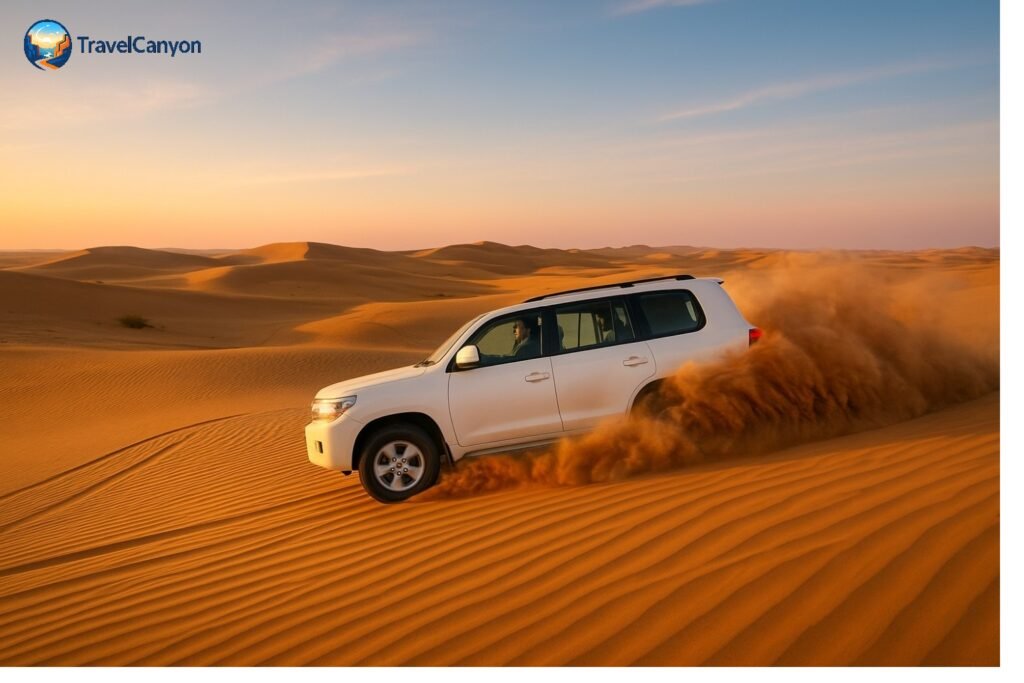
Winter is the peak season for desert adventures. Whether in Osian, Khimsar, or Jaisalmer, dune bashing across golden sands delivers a thrilling adrenaline rush. Camel safaris during sunrise or sunset create unforgettable moments filled with color and calm. Cooler temperatures make night camping comfortable, with folk shows adding cultural charm.
Trekking in the Aravalli Range
The Aravallis, among the world’s oldest fold mountains, offer scenic and manageable trekking routes. Trails around Kumbhalgarh, Mount Abu, and Alwar become lively in winter. Walks through dense forests, rocky cliffs, and hidden waterfalls create the perfect mix of adventure and nature. Winter also ensures clearer skies, making the landscapes appear more dramatic and photogenic.
Wildlife Sessions in Ranthambore & Jawai
Winter is ideal for wildlife enthusiasts. Ranthambore National Park witnesses increased animal activity due to comfortable temperatures. Tigers, sloth bears, deer, and an array of birds turn safaris into a photographer’s paradise. Jawai’s leopards are easier to spot in winter, making both destinations must-visits for nature travelers.
Camping Under the Winter Sky
From luxury desert camps to eco-retreats in the Aravallis, winter camping in Rajasthan feels magical. The chilly nights add a sense of adventure, while bonfires, music, and traditional Rajasthani meals make evenings unforgettable. Stargazing is exceptional due to minimal humidity and clear desert skies.
| Dish | Region | Type | Why Try It |
|---|---|---|---|
| Laal Maas | Jodhpur | Spicy Meat Curry | Authentic Rajasthani flavours |
| Dal Baati Churma | Entire Rajasthan | Vegetarian | Classic comfort food |
| Ker Sangri | Marwar Region | Traditional Veg | Unique desert specialty |
| Ghevar | Jaipur | Sweet | Popular winter dessert |
| Bajra Roti with Ghee | Rural Rajasthan | Staple Food | Perfect for winter warmth |
Offbeat Travel Tips for Exploring Rajasthan
Best Time to Visit Each Hidden Destination
- Bundi: November to February for misty views and comfortable sightseeing
- Mount Abu: October to March for cool mountain weather
- Kumbhalgarh: November to February for trekking and pleasant hill climate
- Osian: October to March for desert safaris
- Jawai: November to March for prime leopard sightings
Local Food & Culture You Shouldn’t Miss
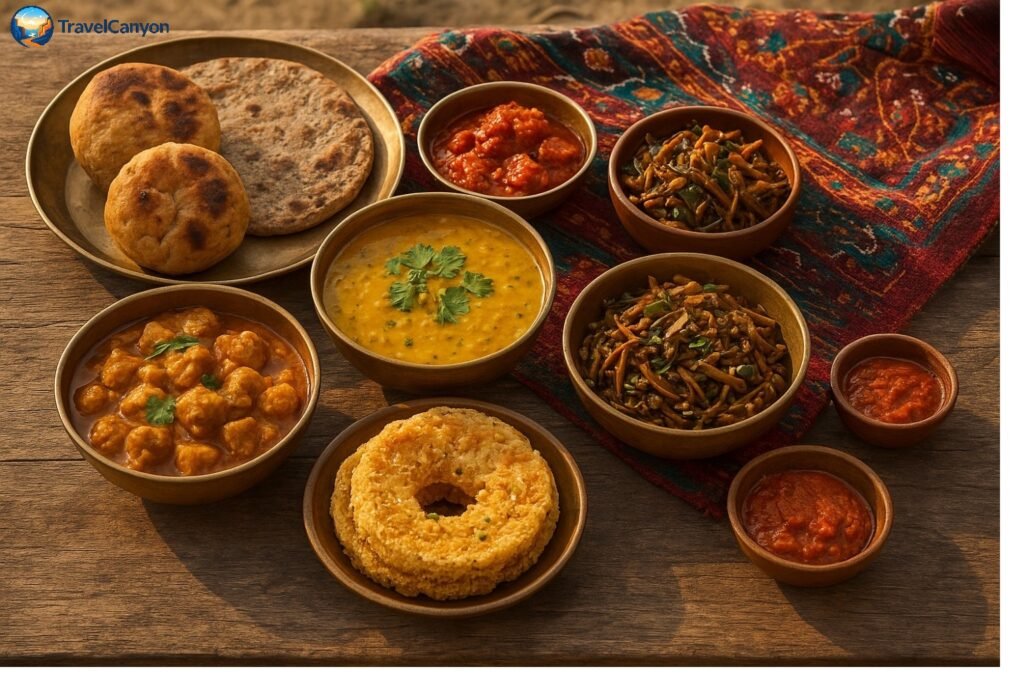
Try Rajasthani delights such as:
- Dal Baati Churma
- Laal Maas
- Ker Sangri
- Ghevar
- Bajra rotis with ghee
Attend local fairs, folk music nights, and handicraft markets to truly connect with Rajasthan’s cultural heart.
Safety & Travel Tips for Offbeat Regions
- Carry warm layers, especially for desert nights.
- Hire local guides for treks and wildlife safaris.
- Book stays in advance during peak festival weeks.
- Keep cash handy in remote villages with limited ATMs.
- Respect local customs when visiting temples or tribal settlements.
Budget & Transportation Tips
- Choose homestays for authentic and budget-friendly stays.
- Public buses and shared cabs reduce travel costs between towns.
- Renting a car allows more flexibility for remote destinations.
- Travel early in the morning for smooth inter-city journeys.
| Tip Category | What You Should Do | Why It Matters |
|---|---|---|
| Travel Timing | Start early & avoid late-night travel | Better safety in remote regions |
| Clothing | Carry layers + warm jacket | Desert nights are cold |
| Food & Water | Eat at reputable places, carry water | Rural areas may lack facilities |
| Transportation | Prefer taxis or rented cars for offbeat spots | Public transport is limited |
| Guides | Hire local guides for safaris/treks | Safety + local insights |
Suggested 3-Day Winter Itinerary
Day 1: Explore Bundi
- Visit Bundi Palace and Taragarh Fort
- Wander through blue lanes and lakeside ghats
- Explore stepwells and local cafés
- Enjoy a peaceful sunset at Nawal Sagar Lake
Day 2: Move to Kumbhalgarh / Aravalli Region
- Drive through scenic Aravalli landscapes
- Explore Kumbhalgarh Fort
- Watch the evening light & sound show
- Optional: Short trek or wildlife sanctuary visit
Day 3: Head to Osian or Jawai for Adventure
- Enjoy a desert safari or leopard safari
- Visit ancient temples (Osian)
- Relax in a luxury camp
- End the day with stargazing and bonfire
Conclusion
Winter unlocks a different side of Rajasthan—one filled with comfort, serenity, and unforgettable beauty. From blue-washed towns and magnificent hill forts to peaceful desert retreats and thrilling wildlife encounters, the season offers endless opportunities for travelers seeking something unique. Exploring Rajasthan’s hidden gems not only reveals new landscapes but also connects you to the culture, nature, and spirit of the state in its purest form.
For anyone dreaming of an offbeat winter getaway, Rajasthan promises magic in every corner—waiting to be discovered, cherished, and remembered.
| Day | Destination | Key Activities | Travel Time |
|---|---|---|---|
| Day 1 | Bundi | Explore palace, fort, stepwells, old city lanes | — |
| Day 2 | Kumbhalgarh / Aravalli | Fort tour, trekking, light & sound show | 3–4 hours from Bundi |
| Day 3 | Osian or Jawai | Safari, temples, desert camp | 2–3 hours from Kumbhalgarh |
Frequently Asked Questions (FAQ)
1. What are the best Rajasthan hidden gems to visit during winter?
Some of the best hidden gems to explore in winter include Bundi, Osian, Jawai, Mount Abu, and Kumbhalgarh. These destinations offer pleasant weather, fewer crowds, and a mix of culture, adventure, and natural beauty.
2. Why is winter the best season for offbeat travel in Rajasthan?
Winter brings cool and comfortable temperatures, making it ideal for sightseeing, trekking, wildlife safaris, and desert adventures. The season also enhances visibility and creates perfect conditions for photography and cultural experiences.
3. Is Rajasthan safe for offbeat and solo travelers?
Yes, Rajasthan is considered safe, even for solo travelers. Remote areas may have fewer facilities, so it’s best to plan ahead, keep essential items handy, hire local guides for treks or wildlife tours, and choose reliable accommodations.
4. Are desert safaris better in winter?
Absolutely. Winter offers mild days and cooler evenings, making desert safaris, camel rides, and dune bashing far more enjoyable. Night camping is also more comfortable due to the pleasant winter climate.
5. Which winter destinations in Rajasthan are ideal for adventure lovers?
Adventure travelers will enjoy Kumbhalgarh for trekking, Jawai for leopard safaris, Osian for desert adventures, and the Aravalli Range for hiking. Winter enhances the experience with clear skies and refreshing weather.
6. What should I pack for a winter trip to Rajasthan?
Pack warm layers for the evenings, comfortable walking shoes, sunscreen, a hat, a light jacket for daytime travel, and a camera. If you’re visiting desert regions, carry an extra warm layer as temperatures drop sharply at night.
7. How many days are enough to explore Rajasthan’s offbeat destinations?
A 3–7 day trip is ideal depending on how many hidden gems you want to cover. A short 3-day itinerary can include Bundi, Kumbhalgarh, and Osian/Jawai, while a longer trip allows you to explore more scenic and cultural spots.
8. Are winter festivals worth attending in Rajasthan?
Yes, winter festivals like the Mount Abu Winter Festival, Kumbhalgarh Festival, and local village fairs offer vibrant folk performances, handicrafts, food, and cultural showcases. They provide a deeper understanding of Rajasthan’s heritage.