Ushakothi Wildlife Sanctuary
Planet Protectors, Wildlife Sanctuaries

Ushakothi Wildlife Sanctuary Forest Wildlife and Nature Guide

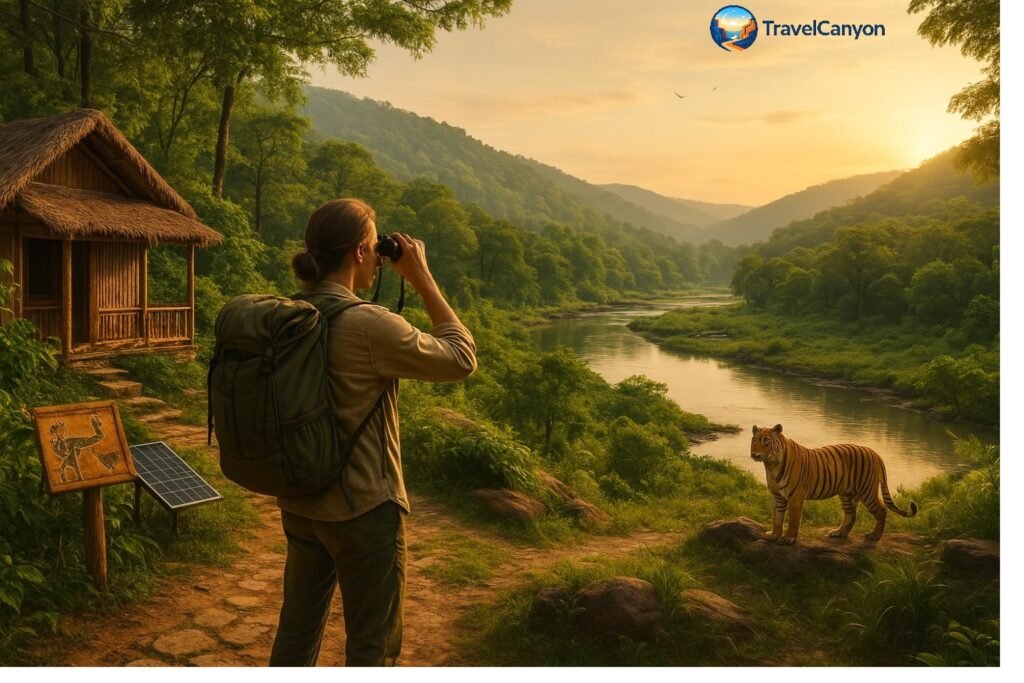
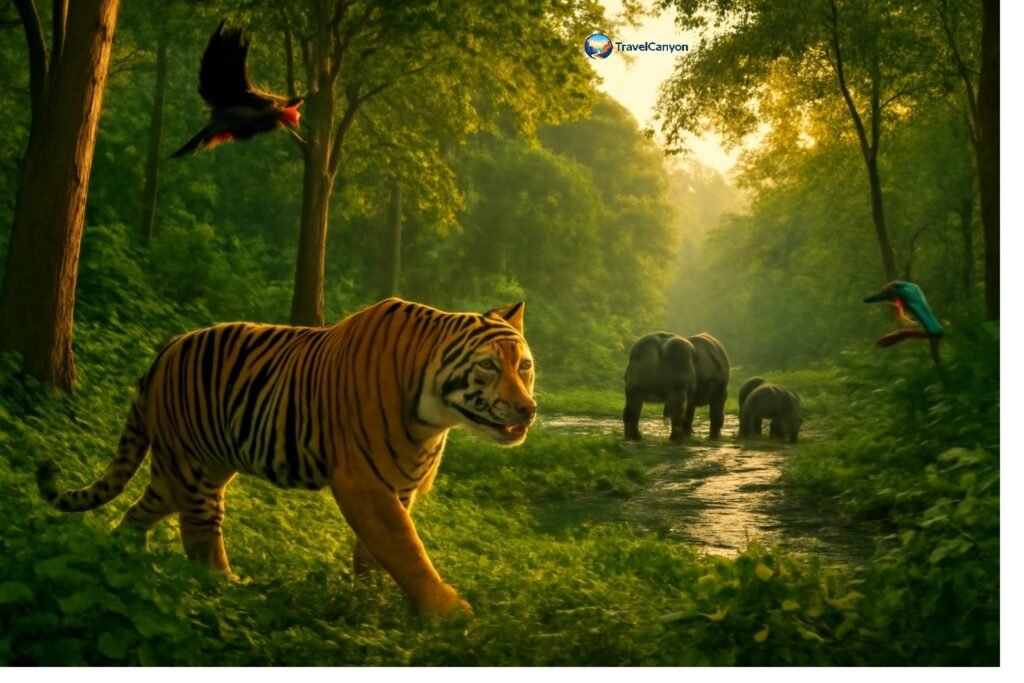
Ushakothi Wildlife Sanctuary, also known as Badrama Wildlife Sanctuary, is a major forest and wildlife conservation area in western Odisha. Covered with dense sal forests and natural landscapes, Ushakothi Wildlife Sanctuary supports rich biodiversity and untouched wilderness. Located in Sambalpur district, Ushakothi Wildlife Sanctuary is part of the Eastern Ghats ecosystem. The sanctuary is famous for its large population of Asian elephants, along with leopards, deer, wild boars, and diverse bird species. This guide to Ushakothi Wildlife Sanctuary will help readers understand its wildlife, forest environment, and natural importance. It also provides useful insights for travelers, nature lovers, and wildlife enthusiasts exploring Odisha’s forest regions. Overview of Ushakothi Wildlife Sanctuary Ushakothi Wildlife Sanctuary is one of the prominent protected forest regions in western Odisha, known for its rich wildlife and dense natural vegetation. As an important wildlife sanctuary in Odisha, it covers a vast forest landscape that supports a wide variety of animals, birds, and plant species. The sanctuary is managed by the Odisha Forest Department and plays a key role in conserving forest ecosystems in the region. Also known as Badrama Wildlife Sanctuary, Ushakothi Wildlife Sanctuary holds a strategic position in Odisha’s network of protected areas. It acts as a crucial wildlife corridor, especially for elephants, helping maintain safe movement between forest ranges. This connectivity strengthens conservation efforts and supports long-term wildlife survival across different forest zones of the state. The sanctuary is highly significant for biodiversity conservation in Odisha. Ushakothi Wildlife Sanctuary protects diverse flora, ranging from sal-dominated forests to mixed deciduous vegetation, while providing habitat for mammals, reptiles, and hundreds of bird species. Its ecological importance makes it not only a vital wildlife sanctuary in Odisha but also a key contributor to environmental stability and forest conservation in the region. Detail Information Location Sambalpur District, western Odisha, India Established 1962 Total Area Approximately 304 square kilometers Alternate Name Badrama Wildlife Sanctuary Forest Type Tropical dry deciduous forest Governing Authority Odisha Forest Department Ecological Zone Eastern Ghats region Major Rivers & Streams Seasonal streams and forest water channels Primary Wildlife Asian elephants, leopards, spotted deer, sambar, wild boar Bird Diversity Peafowl, hornbills, parrots, migratory and resident birds Conservation Status Protected wildlife sanctuary Tourism Type Eco-tourism, wildlife observation, nature exploration Location and Geographic Features of Ushakothi Wildlife Sanctuary The Ushakothi Wildlife Sanctuary location is in the Sambalpur district of western Odisha, making it one of the most important forest regions in the state. The sanctuary lies close to Sambalpur town and is well connected to nearby areas such as Rairakhol, Jharsuguda, and Bargarh. Its strategic location within the Eastern Ghats landscape allows Ushakothi Wildlife Sanctuary to function as a vital ecological zone supporting forest and wildlife conservation. Feature Details Location Sambalpur District, western Odisha, India Nearest Towns Sambalpur, Rairakhol, Jharsuguda, Bargarh Geographic Region Eastern Ghats Terrain Type Hills, plains, valleys, and undulating forest land Elevation Moderate elevation with gentle hill ranges Rivers & Water Bodies Seasonal rivers, forest streams, natural water channels Soil Typ Forest soil suitable for dry deciduous vegetation Forest Landscape Dense sal forests mixed with open woodland areas Climate Type Tropical climate Summer Temperature Hot, can exceed 40°C Winter Temperature Mild and pleasant, around 10°C–25°C Monsoon Season June to September Forest Type and Vegetation of Ushakothi Wildlife Sanctuary The Ushakothi Wildlife Sanctuary forest is primarily classified as a tropical dry deciduous forest, which is one of the most widespread and ecologically important forest types in central and eastern India. This forest type sheds leaves during the dry season to conserve water, creating a unique seasonal landscape within the sanctuary. The dry deciduous forest supports a rich variety of plant life and provides ideal conditions for grazing and shelter for many wildlife species. Sal (Shorea robusta) is the dominant tree species in the Ushakothi Wildlife Sanctuary forest and forms dense forest patches across large areas. Along with sal, trees such as teak (Tectona grandis), bamboo, mahua, tendu, and various acacia species are commonly found. Bamboo thickets play a crucial role in providing food and cover for herbivores, especially elephants, while mahua trees are important for both wildlife and local forest-dependent communities. The vegetation of Ushakothi Wildlife Sanctuary also includes shrubs, grasses, climbers, and medicinal plants that contribute to the overall biodiversity of the dry deciduous forest ecosystem. Seasonal grasses flourish after the monsoon, supporting herbivores like deer and wild boar. This diverse vegetation structure helps maintain ecological balance, supports food chains, and strengthens the sanctuary’s role as a key wildlife habitat in Odisha. Vegetation Type Common Species Trees Sal, Teak, Mahua Bamboo Dendrocalamus species Grassland Natural grazing patches Wildlife Species of Ushakothi Wildlife Sanctuary The Ushakothi wildlife is diverse and reflects the healthy forest ecosystem of western Odisha. The sanctuary provides a safe and natural habitat for a wide range of mammals, reptiles, birds, and smaller forest species. Due to its dense vegetation, water availability, and protected status, animals in Ushakothi Wildlife Sanctuary thrive with minimal human disturbance. One of the most notable attractions of Ushakothi Wildlife Sanctuary is its large population of Asian elephants, which frequently move through the forest corridors in herds. Other major mammals found here include leopards, sambar deer, spotted deer, barking deer, wild boars, sloth bears, and jackals. These animals depend on the sanctuary’s dry deciduous forests and grasslands for food, shelter, and breeding. Apart from mammals, Ushakothi wildlife also includes a rich variety of bird species such as peafowl, parrots, hornbills, eagles, and migratory birds during certain seasons. Reptiles like pythons, cobras, monitor lizards, and various snake species are also commonly found. This wide range of animals in Ushakothi Wildlife Sanctuary highlights its importance as a key biodiversity hotspot in Odisha’s forest landscape. Bird Species of Ushakothi Wildlife Sanctuary The birds of Ushakothi Wildlife Sanctuary add vibrant life and sound to its forest ecosystem, making the sanctuary an important destination for bird lovers. The mix of dense dry deciduous forest, open grasslands, and water bodies creates ideal habitats for a wide variety of resident and seasonal bird species. Several resident

Top 10 Wildlife Sanctuaries in India
Wildlife Sanctuaries

Top 10 Wildlife Sanctuaries in India Offering the Best Jungle Safari Experience

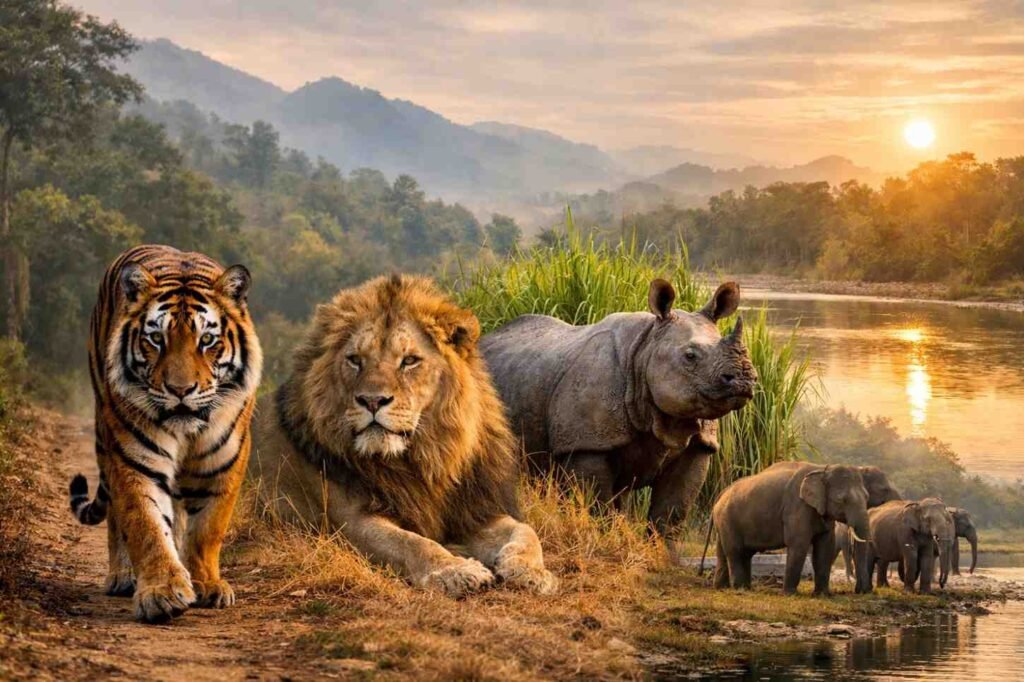
India is one of the world’s richest countries in terms of biodiversity, where dense forests, grasslands, wetlands, and deserts together create a natural home for thousands of wildlife species. From the majestic Bengal tiger and Asiatic lion to rare birds and reptiles, the country offers unforgettable encounters for nature lovers. This is why travelers and photographers constantly search for the top 10 wildlife sanctuaries in India to experience authentic jungle adventures. A jungle safari in India is not just about spotting animals — it’s about entering a living ecosystem. The early morning mist, alarm calls echoing through the forest, jeep tracks cutting through sal trees, and the thrill of unexpected sightings make every safari unique. Each sanctuary has its own terrain, climate, and wildlife behavior, making every destination special in its own way. In this guide, we explore the top 10 wildlife sanctuaries in India that offer the best jungle safari experience, combining thrilling wildlife sightings, natural beauty, and well-managed tourism facilities for visitors seeking a true wilderness journey. Why India is Famous for Wildlife Tourism India is considered one of the world’s greatest wildlife destinations because of its incredible biodiversity of India, shaped by four major natural zones — the Himalayan mountains, tropical rainforests, grasslands, and arid deserts. These diverse landscapes support a vast range of ecosystems, allowing travelers to experience completely different jungle environments within one country. The nation also holds more than 70% of the global wild tiger population, making it the best place on Earth for tiger safaris. Along with tigers, visitors can observe many unique animals found in India, including leopards, gaur, crocodiles, and hundreds of bird species across national parks and sanctuaries. India is equally important for conservation because it protects several endangered animals in India such as the Asiatic lion in Gir, one-horned rhinoceros in Kaziranga, Asian elephants in the Western Ghats, and the elusive snow leopard in the Himalayas — species rarely seen anywhere else in the world. Top 10 Wildlife Sanctuaries in India Sanctuary State Famous Animal Best Time to Visit Jim Corbett National Park Uttarakhand Bengal Tiger November – June Ranthambore National Park Rajasthan Royal Bengal Tiger October – June Kaziranga National Park Assam One-Horned Rhinoceros November – April Gir Wildlife Sanctuary Gujarat Asiatic Lion December – March Bandhavgarh National Park Madhya Pradesh Bengal Tiger October – June Sundarbans National Park West Bengal Swimming Tiger September – March Periyar Wildlife Sanctuary Kerala Asian Elephant October – May Kanha National Park Madhya Pradesh Barasingha (Swamp Deer) October – June Hemis National Park Ladakh Snow Leopard May – September Sariska Tiger Reserve Rajasthan Tiger & Leopard October – June A simple introduction to the top wildlife sanctuaries in India so travelers can plan a jungle safari aligned with their interests and visiting season. Detailed Guide to Top 10 Wildlife Sanctuaries in India Exploring the top 10 wildlife sanctuaries in India is more than a travel plan — it’s a journey into some of the most diverse natural ecosystems on Earth. From dense Himalayan forests and dry deciduous jungles to mangrove wetlands and high-altitude cold deserts, each sanctuary offers a completely different safari atmosphere and wildlife behavior. In this detailed guide, we will look closely at every destination, what makes it special, the animals you can expect to see, and why it deserves a place among the top 10 wildlife sanctuaries in India. This section will help travelers choose the right park based on their interest — whether it is tiger sightings, rare species, landscape beauty, or unique safari experiences. 1. Jim Corbett National Park, Uttarakhand Located in the Himalayan foothills of Uttarakhand, Jim Corbett National Park features river valleys, grasslands, and dense sal forests. The varied terrain creates ideal conditions for wildlife movement and makes it one of the most scenic jungle safari destinations in India. The park is famous for Bengal tigers, Asian elephants, leopards, crocodiles, and over 600 bird species, making it a paradise for wildlife photographers and bird watchers. Best time to visit: November – JuneSafari type: Jeep & canter safariNearest city: RamnagarSpecial attraction: Dhikala zone and river belt sightings 2. Ranthambore National Park, Rajasthan Situated in southeastern Rajasthan, Ranthambore combines dry deciduous forests with lakes and historic ruins. The dramatic landscape around Ranthambore Fort gives this sanctuary a unique identity among the top 10 wildlife sanctuaries in India. Visitors commonly see tigers, leopards, sloth bears, marsh crocodiles, and large herds of sambar deer roaming freely across open zones. Best time to visit: October – JuneSafari type: Jeep & canter safariNearest city: Sawai MadhopurSpecial attraction: Tigers near ancient fort ruins 3. Kaziranga National Park, Assam Located in the floodplains of the Brahmaputra River, Kaziranga is dominated by tall elephant grass, wetlands, and marshland forests. This UNESCO World Heritage Site is one of the most biologically rich reserves in Asia. The sanctuary protects one-horned rhinoceros, wild buffalo, swamp deer, elephants, and a growing tiger population along with migratory birds. Best time to visit: November – AprilSafari type: Jeep & elephant safariNearest city: Jorhat / GuwahatiSpecial attraction: Close rhino encounters 4. Sundarbans National Park, West Bengal Spread across the Ganges delta, Sundarbans consists of tidal waterways and dense mangrove forests. It is the largest mangrove ecosystem in the world and offers a completely different safari experience from land-based parks. The area shelters swimming Royal Bengal tigers, saltwater crocodiles, fishing cats, and diverse birdlife adapted to brackish water habitats. Best time to visit: September – MarchSafari type: Boat safariNearest city: KolkataSpecial attraction: Mangrove tiger tracking 5. Gir Wildlife Sanctuary, Gujarat Located in the dry forests of Gujarat’s Saurashtra region, Gir is the only natural habitat of Asiatic lions. The teak forest landscape and open scrublands make wildlife viewing easier compared to dense jungles. The sanctuary hosts Asiatic lions, leopards, hyenas, jackals, and numerous antelope species. Best time to visit: December – MarchSafari type: Jeep safariNearest city: JunagadhSpecial attraction: Only wild lion population on Earth 6. Periyar Wildlife Sanctuary, Kerala Nestled in the Western Ghats, Periyar features evergreen forests surrounding a large

Habitat destruction
Travel Guide

Habitat Destruction: Causes, Effects, and Environmental Consequences

Habitat destruction occurs when natural environments are altered or removed to the point that they can no longer support the plants and animals that depend on them. From dense forests to coral reefs, these habitats play a critical role in maintaining ecological stability. However, as human demands continue to grow, natural spaces are being cleared, polluted, or fragmented at an unprecedented pace. Activities such as deforestation, large-scale farming, urban expansion, and industrial development are major contributors to habitat destruction. While these actions often aim to improve living standards, they unintentionally trigger the loss of biodiversity by eliminating food sources, shelter, and breeding grounds for countless species. Many organisms are unable to adapt quickly enough, leading to population decline and extinction. The damage does not stop with wildlife. When habitats disappear, ecosystems lose their balance, resulting in environmental imbalance that affects climate regulation, soil health, and water systems. These disruptions ultimately impact human life as well. This article explores what habitat destruction is, why it happens, and how its environmental consequences threaten both nature and the future of our planet. What Is Habitat Destruction? Habitat destruction refers to the process in which natural living environments are damaged or eliminated, making them unsuitable for the species that rely on them for survival. When a habitat is destroyed, plants and animals lose access to essential resources such as food, shelter, and breeding areas. Over time, this leads to ecosystem degradation, where natural systems lose their structure, function, and ability to sustain life. While some habitat destruction can occur naturally through events like wildfires, floods, or volcanic eruptions, these processes usually allow ecosystems to recover over time. The most severe and long-lasting damage, however, is caused by human activities. Land clearing for agriculture, urban development, mining, and industrial projects often removes habitats faster than nature can regenerate, leaving permanent ecological scars. Examples of habitat destruction can be found across the planet. Forests are cleared for timber and farmland, wetlands are drained for construction and flood control, and oceans are damaged by pollution, overfishing, and coral reef destruction. Each of these actions contributes to ecosystem degradation, disrupting ecological balance and threatening countless species with displacement or extinction. Habitat Type Destruction Cause Forests Deforestation Wetlands Drainage Grasslands Urban expansion Coastal Pollution Major Causes of Habitat Destruction Infrastructure Development Infrastructure development is a major driver of habitat destruction as natural landscapes are cleared to make way for roads, dams, cities, and industrial facilities. Large construction projects often require extensive land modification, removing vegetation and altering landforms that many species depend on for survival. One of the most damaging outcomes of infrastructure development is habitat fragmentation. When roads and urban areas divide natural spaces into smaller, isolated patches, wildlife movement is restricted. Animals struggle to find food, mates, and safe migration routes, which weakens populations over time. As infrastructure expands, wildlife displacement becomes unavoidable. Species are forced into smaller areas or pushed into unfamiliar environments where survival is more difficult. This disruption not only threatens animal populations but also reduces ecosystem stability, increasing the long-term environmental impact of habitat destruction. Industrial Development Industrial development significantly contributes to habitat destruction by transforming natural land into mining sites, factories, and energy facilities. Mining operations strip away vegetation and topsoil, leaving behind degraded landscapes that struggle to recover. Manufacturing zones and industrial complexes often replace forests, wetlands, and grasslands, causing permanent land-use change. Pollution is another major consequence of industrial development. Factories release harmful chemicals into the air, soil, and water, contaminating surrounding habitats and making them unsafe for wildlife. Over time, these activities reduce ecosystem health, disrupt food chains, and accelerate biodiversity loss. Industry Type Environmental Impact Mining Land degradation Manufacturing Air & water pollution Energy plants Habitat loss Effects of Habitat Destruction on Ecosystems Loss of Biodiversity Loss of biodiversity is one of the most immediate and severe effects of habitat destruction. When natural environments disappear, many species are unable to adapt or relocate, leading to population declines and, in extreme cases, extinction. Plants and animals with specialized habitat needs are especially vulnerable, as even small environmental changes can threaten their survival. Beyond species extinction, habitat destruction also reduces genetic diversity within populations. Smaller, isolated groups are more prone to disease, inbreeding, and environmental stress, which weakens their ability to adapt to future changes. Over time, this genetic erosion makes ecosystems less resilient. The loss of biodiversity can also trigger food chain collapse. When key species disappear, predator-prey relationships are disrupted, affecting multiple levels of the ecosystem. These imbalances can spread rapidly, altering ecosystem functions and further accelerating environmental degradation. Ecosystem Degradation Ecosystem degradation refers to the gradual decline in the health and functionality of natural systems due to human activities and environmental pressures. When ecosystems are degraded, they lose their ability to support life, regulate natural processes, and recover from disturbances. This degradation has far-reaching consequences that affect biodiversity, climate stability, and human well-being. One of the most serious impacts of ecosystem degradation is reduced resilience. Healthy ecosystems can adapt to changes such as climate fluctuations, floods, or droughts. However, when forests are cleared, wetlands drained, or coral reefs damaged, these systems become fragile. Even minor disturbances can cause long-term damage, making recovery slow or sometimes impossible. Another critical outcome is the loss of natural balance. Ecosystems rely on complex relationships between plants, animals, microorganisms, and their physical environment. When this balance is disrupted—through pollution, overexploitation of resources, or habitat destruction—food chains collapse, species populations become unstable, and essential ecological processes such as nutrient cycling are interrupted. Ecosystem degradation also accelerates the spread of invasive species. Disturbed environments provide ideal conditions for non-native species to thrive, often outcompeting native plants and animals for resources. These invasive species further weaken ecosystems by altering habitats, reducing biodiversity, and increasing the risk of extinction for indigenous species. In the long run, ecosystem degradation not only threatens natural environments but also undermines the services ecosystems provide to humans, including clean air, fertile soil, and water regulation. Protecting and restoring degraded ecosystems

Jaisalmer tour packages
Jaisalmer Tour, Planet Protectors

Jaisalmer Tour Packages: Complete Travel Guide, Desert Safari, Forts & Best Itinerary

Rising from the heart of the Thar Desert, Jaisalmer feels like a city straight out of a fairytale. Golden sandstone forts, endless sand dunes, royal havelis, and unforgettable desert sunsets make it one of India’s most unique travel destinations. With thoughtfully designed Jaisalmer tour packages, you can experience heritage, adventure, and culture in one perfectly planned trip. Whether you’re planning a relaxed family holiday, a romantic escape, or an adventure-filled desert experience, this complete guide will help you plan Jaisalmer the right way. Beyond its architectural charm, the Jaisalmer desert safari is one of the most iconic experiences the city has to offer. From thrilling jeep safaris across the Sam Sand Dunes to traditional camel rides at sunset, the desert safari allows visitors to witness the raw beauty of the Thar Desert up close. Cultural performances, folk music, and overnight stays in desert camps further enhance the experience, making a Jaisalmer desert safari a must for anyone seeking adventure, culture, and authentic desert life in one unforgettable journey. How Jaisalmer Stands Apart from Other Rajasthan Cities? While cities like Jaipur and Udaipur are known for palaces and lakes, Jaisalmer offers a raw and soulful desert experience. It feels less crowded, more intimate, and closer to nature. With the right Jaisalmer trip plan, travelers enjoy a perfect balance of history, adventure, culture, and tranquility—making Jaisalmer an ideal choice for a truly memorable holiday. Aspect of Jaisalmer What Makes It Special Living History & Royal Legacy Jaisalmer Fort is one of the rare living forts in the world, where families still reside, preserving centuries-old traditions and lifestyle. Gateway to the Thar Desert Unlike other cities, Jaisalmer opens directly into vast sand dunes, offering authentic desert landscapes and peaceful surroundings. Signature Desert Adventures Camel safaris, jeep safaris, sunset dune views, and overnight desert camps define the true spirit of Jaisalmer travel. Golden Sandstone Architecture Havelis, temples, and forts carved from yellow sandstone give the city its iconic golden glow and architectural identity. Rich Folk Culture & Traditions Local music, Kalbeliya dance, puppet shows, and traditional attire keep Jaisalmer’s cultural heritage alive. Less Crowded, More Authentic Compared to Jaipur or Udaipur, Jaisalmer offers a calmer, more immersive travel experience away from heavy tourist crowds. Well-Curated Travel Experiences Most Jaisalmer holiday packages balance heritage sightseeing, desert activities, and cultural experiences seamlessly. Ideal for Flexible Trip Planning Whether it’s a short getaway or an extended stay, a customized Jaisalmer trip plan suits families, couples, and adventure seekers alike. Jaisalmer Tour Packages – Overview & Types Planning a desert getaway becomes effortless when you choose the right Jaisalmer tour packages. Designed to suit different travel durations, budgets, and interests, these packages offer a perfect balance of sightseeing, cultural experiences, and desert adventures. Whether you have just a day or an entire week, there are Jaisalmer holiday packages tailored to make the most of your time in the Golden City. From short city visits to extended Rajasthan explorations, each package type serves a specific travel purpose. Below is a clear breakdown to help you choose what fits your travel style best. Short-duration Jaisalmer tour packages are ideal for travelers with limited time or those visiting Jaisalmer as part of a larger Rajasthan trip. These packages focus on key highlights such as Jaisalmer Fort, major havelis, Gadisar Lake, and local markets. In just one or two days, travelers get a compact yet fulfilling experience of the city’s heritage and culture. These packages are best suited for solo travelers, business visitors, or tourists already exploring nearby destinations like Jodhpur or Bikaner. The most popular choice among travelers, standard Jaisalmer holiday packages offer a well-rounded experience. A typical 2-night, 3-day itinerary includes city sightseeing, a visit to Sam or Khuri Sand Dunes, and a memorable desert safari with cultural performances. This duration allows travelers to explore Jaisalmer at a relaxed pace without feeling rushed. Families, couples, and first-time visitors often prefer this option, as it combines history, desert adventure, and leisure comfortably. Extended Jaisalmer tour packages are perfect for travelers who want a deeper exploration of Rajasthan. These packages often combine Jaisalmer with destinations like Jodhpur, Jaipur, Udaipur, or Bikaner, offering a complete cultural circuit. With more time on hand, travelers can enjoy offbeat villages, heritage stays, detailed fort tours, and immersive desert experiences. These Jaisalmer holiday packages are ideal for slow travelers, culture enthusiasts, and those seeking a comprehensive Rajasthan journey. Package Type Duration Best For Key Highlights Short Duration Packages 1–2 Days Quick travelers, weekend trips Fort visit, havelis, local sightseeing Standard Packages 2 Nights / 3 Days Most travelers City tour, desert safari, cultural evening Extended Packages 4–7 Days In-depth explorers Jaisalmer + other Rajasthan cities Jaisalmer Itinerary & Trip Plan Planning the perfect desert holiday becomes easy when you have a clear and well-structured Jaisalmer itinerary. Whether you are visiting for a short break or a relaxed extended stay, a thoughtful Jaisalmer trip plan ensures you experience the city’s heritage, desert beauty, and cultural charm without feeling rushed. Below are carefully designed itinerary options based on the duration of your trip. Jaisalmer Itinerary – 2 Days (Quick Getaway) This itinerary is ideal for travelers with limited time who want to see the highlights of Jaisalmer. Day 1: Arrival & City ExplorationArrive in Jaisalmer and begin your sightseeing with the iconic Jaisalmer Fort, a living fort filled with temples, homes, and narrow lanes. Explore Jain Temples inside the fort and enjoy panoramic views of the city. Visit Patwon Ki Haveli and Nathmal Ki Haveli to admire intricate sandstone architecture. In the evening, relax at Gadisar Lake and enjoy a peaceful sunset. Day 2: Desert Experience & DepartureStart your day with local shopping at Jaisalmer markets. Later, head towards Sam Sand Dunes for a short desert visit. Enjoy a camel ride or jeep safari before returning to the city for departure. Travel Tips: Jaisalmer Itinerary – 3 Days (Most Popular Choice) A 3-day Jaisalmer itinerary offers the perfect balance of heritage, desert adventure, and cultural experiences. Day 1:

Rock Climbing Destinations
Rock Climbing

Rock Climbing Destinations in India for Thrill Seekers

India isn’t just a land of vibrant cultures and ancient history—it’s also a paradise for adventure lovers. Over the last decade, the country has seen a steady surge in outdoor sports, with rock climbing in India emerging as one of the fastest-growing passions among thrill seekers. From seasoned climbers to curious beginners, more travelers are now stepping beyond traditional tourism to experience the raw excitement of natural rock formations and rugged landscapes. What makes India truly special is its incredible diversity of climbing terrains. Whether it’s the world-famous granite boulders of Hampi, the volcanic basalt cliffs of Maharashtra, or the towering Himalayan faces in Himachal and Uttarakhand, every region offers something unique. These climbing spots in India draw adventurers from around the world, each seeking challenge, beauty, and adrenaline in some of the most breathtaking outdoor locations. As adventure travel in India continues to boom, these destinations stand out as the perfect playground for anyone ready to test their limits—one climb at a time. Why India Is a Paradise for Rock Climbers India has quickly climbed its way onto the global adventure map, and for good reason. With its breathtaking landscapes, fast-growing climbing culture, and unmatched affordability, the country offers an irresistible blend of challenge and charm for climbers of all levels. Whether you’re chasing exhilarating ascents or planning a beginner-friendly adventure, rock climbing in India delivers a world-class experience without the world-class price tag. Diverse Terrains for Every Level One of the biggest reasons climbers love India is its astonishing diversity of natural rock formations.From north to south, the terrain shifts dramatically: This mix of geological wonders ensures that every kind of climber—beginner, intermediate, or expert—finds a perfect match. Affordable & Accessible Adventure Travel in India Adventure travel in India is not just thrilling—it’s surprisingly budget-friendly. Many of the best climbing destinations offer: Whether you’re backpacking or planning a longer climbing expedition, India makes it easy to explore top-notch climbing spots without draining your wallet. Growing Climbing Community & Training Centers India’s climbing community is expanding fast, with passionate groups and professionals actively building a strong ecosystem. Across major cities and adventure hubs, you’ll find: This thriving community not only supports new climbers but also fuels India’s rising reputation in global adventure sports. Point Description Examples / Highlights Diverse Terrains India offers varied geological formations suitable for all climbing levels. Himalayan rock faces, Hampi granite boulders, Maharashtra basalt cliffs Affordable & Accessible Budget-friendly adventure travel with easy access, local guides, and economical stays. Hostels, homestays, public transport, affordable gear rentals Growing Climbing Community Active climbing groups, events, gyms, and certified training centers. Local clubs, competitions, climbing festivals, certification programs Best Rock Climbing Destinations in India India is home to some of the most diverse and visually stunning climbing locations in Asia. From boulder-rich landscapes to towering Himalayan cliffs, these climbing spots in India offer unforgettable adventures for every kind of thrill seeker. Hampi, Karnataka – India’s Bouldering Capital Set along the ancient ruins of the Vijayanagara Empire, Hampi is nothing short of a dream for climbers. Its massive orange-hued granite boulders are spread across miles, creating one of the world’s most iconic natural playgrounds for bouldering enthusiasts. Climbers from around the globe travel here not just for the routes, but for the raw beauty, backpacker vibe, and welcoming climbing community. Highlights Feature Details Climbing Style Bouldering, some sport routes Rock Type High-quality granite Difficulty Range V0 to V12+ Best Season October to February Popular Zones Temple area, Riverside, Vittala region, Govina Keri Who It’s Best For Solo travelers, backpackers, beginners & pro boulderers Why Climbers Love It Huge concentration of problems, vibrant climbing community, scenic landscapes Badami, Karnataka – Sandstone Climbing Heaven With its striking rust-red sandstone cliffs rising above a serene lake and ancient cave temples, Badami offers one of the most picturesque climbing settings in India. Known as the country’s hub for sport climbing, this destination features hundreds of bolted routes ranging from friendly beginner climbs to pumpy overhangs that challenge even seasoned athletes. Badami’s soft sandstone offers excellent friction, unique pockets, and technical face climbs—making it a must-visit stop for anyone exploring rock climbing in India beyond bouldering. Highlights Feature Details Climbing Style Sport climbing, limited traditional routes Rock Type Soft red sandstone Route Count 150+ established routes Difficulty Range 5c to 8b+ Best Season October to March Popular Sectors Temple area, Delux Café area, Ganesha area Who It’s Best For Sport climbers seeking technical, vertical routes Why Climbers Love It Scenic sandstone walls, diverse grades, historic setting, friendly climbing community Shey Rock, Ladakh – Cold Desert Climbing Rising dramatically from the stark, moon-like landscapes of Ladakh, Shey Rock offers one of the most surreal climbing experiences in India. Located just a short distance from Leh, this destination captivates climbers with its high-altitude environment, crisp air, and jaw-dropping views of snow-draped Himalayan peaks. Shey Rock is especially popular for multi-pitch climbing, with routes carved into solid granite towers that overlook ancient monasteries, turquoise streams, and the vast cold desert terrain. Climbing here is as much about the scenery as it is about the adventure, making it a bucket-list spot for thrill seekers exploring the northern climbing circuit. Feature Details Climbing Style Multi-pitch, traditional & sport Rock Type High-quality granite Altitude 10,000–11,000 ft above sea level Difficulty Range 5b to 7c Best Season May to September Special Highlights Cold desert scenery, panoramic Himalayan views Who It’s Best For Climbers seeking altitude challenges and long routes Why Climbers Love It Majestic landscapes, adventure-meets-peace vibe, high-altitude ascent experience Parvati Valley, Himachal Pradesh – Granite Walls & Wilderness Tucked deep within the Himalayas, Parvati Valley is a paradise for climbers who crave both rugged adventure and untouched natural beauty. Known for its tall granite walls, dense forests, and river-carved landscapes, this region offers a refreshing blend of sport and traditional climbing opportunities. Destinations like Kasol, Manikaran, and Tosh serve as perfect gateways to hidden crags and multi-pitch granite faces. The valley’s peaceful atmosphere, snow-kissed peaks, and vibrant backpacker culture

Luxury Travel in India
Uncategorized

Luxury Travel in India: Best Resorts and Stays

India has long been celebrated for its vibrant culture, diverse landscapes, and centuries-old heritage. Today, it is equally recognized as one of the most enticing destinations for luxury travel India, offering world-class comfort wrapped in authentic regional charm. From the golden deserts of Rajasthan to the tranquil backwaters of Kerala, the country presents a remarkable blend of sophistication and tradition—making it a dream destination for travelers seeking curated experiences, impeccable hospitality, and unmatched exclusivity. In recent years, luxury tourism in India has grown rapidly, driven by discerning travelers who crave more than just a vacation. They are looking for immersive journeys where every detail is tailored with precision. This shift has inspired a new generation of resorts India that combine opulence with local culture, environmental consciousness, and personalized services. Whether it’s a palace-turned-hotel offering royal grandeur or a secluded eco-retreat nestled amid lush forests, India’s high-end accommodations redefine what it means to travel in style. Another strong appeal of luxury stays India is the diversity of experiences available across the country. Visitors can unwind in Ayurvedic wellness sanctuaries, enjoy private beachfront villas, indulge in gourmet regional cuisine, or embark on curated adventure and cultural trails—all while staying in properties that prioritize comfort and exclusivity. These stays are not just about lavish décor; they are about creating memories that feel intimate, meaningful, and deeply connected to the local environment. In this blog, we will explore some of the finest luxury resorts and stays that showcase India’s evolving hospitality landscape. From royal retreats and boutique hideaways to nature-inspired sanctuaries, you’ll discover the destinations that truly elevate luxury travel India. Whether you’re planning a romantic escape, a family vacation, or a solo indulgence, this guide will help you choose the perfect setting for an unforgettable journey. Why Choose Luxury Travel in India? India has emerged as one of the world’s most captivating destinations for premium travel, offering an exceptional blend of culture, comfort, and exclusivity. Choosing luxury travel India means experiencing the country through curated services, breathtaking landscapes, and stays that redefine indulgence. Unique Experiences and Personalized Service One of the biggest reasons travelers choose luxury travel India is the access to highly personalized experiences crafted with exceptional attention to detail. High-end travelers today expect more than just a beautiful room—they want tailored journeys that cater to their specific preferences. Luxury resorts offer private chefs who design customized menus, personal butlers who manage everything from unpacking to itinerary planning, and curated experiences such as exclusive safaris or private yacht rides. These services transform a simple vacation into a uniquely crafted adventure, ensuring that every moment feels effortless, intimate, and memorable. Blend of Heritage and Modernity Another defining aspect of luxury stays India is their seamless fusion of the past and present. Many properties allow guests to relive India’s royal heritage by staying in centuries-old palaces restored with remarkable artistry. These heritage hotels offer grand courtyards, hand-carved interiors, and regal hospitality reminiscent of royal eras. For those who prefer contemporary elegance, India also boasts ultra-modern urban resorts featuring cutting-edge design, smart technologies, and world-class amenities. This balance between tradition and innovation ensures that every traveler finds an experience aligned with their personal taste and comfort. Natural Beauty and Exotic Locations India’s breathtaking natural diversity is another compelling reason to indulge in premium travel. From tranquil backwaters to misty mountains and golden deserts, the country offers an extraordinary range of exotic landscapes. Some of the finest resorts India are tucked away in these scenic settings, providing absolute serenity and uninterrupted views of nature. Guests can enjoy beachfront villas in Goa, luxury tented camps in Rajasthan, or wellness retreats in the Himalayan foothills. These picturesque locations elevate the overall experience, blending luxury with an immersive connection to India’s natural beauty. Choosing luxury travel India guarantees not just comfort but an enriching escape shaped by culture, personalized service, and extraordinary surroundings—making every journey unforgettable. Reason What It Offers Examples / Highlights Unique Experiences & Personalized Service Tailored hospitality that focuses on individual preferences Private chefs, personal butlers, curated itineraries, exclusive safaris, private yacht rides Blend of Heritage & Modernity A rare mix of royal-era charm and contemporary luxury Heritage palaces, restored forts, modern city resorts with smart technologies Natural Beauty & Exotic Locations Luxury stays in India’s most scenic and peaceful landscapes Beachfront villas, Himalayan retreats, Kerala backwater resorts, desert camps Immersive Cultural Touch Authentic regional experiences paired with comfort Traditional welcome rituals, local cuisine, cultural performances Wellness & Rejuvenation Premium wellness programs rooted in Indian traditions Ayurvedic therapies, yoga retreats, holistic healing packages World-Class Hospitality Standards International-quality service with Indian warmth 24/7 concierge, fine dining, high-end amenities, sustainable luxury experiences Top Luxury Destinations in India India is home to some of the world’s most captivating destinations, offering travelers a blend of culture, elegance, and unmatched comfort. Whether you dream of royal palaces, serene beaches, lush mountains, or tranquil backwaters, luxury travel India presents a curated selection of experiences tailored for the modern, high-end traveler. Among the many breathtaking locations across the country, Rajasthan stands out as one of the most iconic destinations known for regal charm and extraordinary hospitality. Rajasthan – Royalty and Palaces Rajasthan is often considered the crown jewel of luxury stays India, thanks to its majestic forts, serene lakes, and opulent palaces transformed into world-famous hotels. Cities like Udaipur, Jaipur, and Jodhpur give travelers an opportunity to relive the grandeur of India’s royal past while enjoying the comfort and sophistication of world-class hospitality. Udaipur – The City of Lakes Udaipur’s charm lies in its romantic lakeside setting and lavish heritage hotels that once served as royal residences. Luxury properties like the iconic palace hotels on Lake Pichola offer breathtaking views, candlelit dinners by the water, and private boat experiences. Guests can enjoy curated activities such as heritage walks through the old city, traditional folk performances, and fine dining featuring royal Mewari cuisine. Udaipur remains a top choice for travelers seeking serenity and elegance during their luxury travel India journey. Jaipur – The

Ram-Mandir-Tour
Uncategorized, Uttar Pradesh Tour

The Complete History of Ram Mandir Ayodhya

Ayodhya, one of India’s most ancient and revered cities, holds a unique place in the cultural and spiritual landscape of the country. Celebrated in the Ramayana and countless historical texts, it is widely believed to be the birthplace of Lord Ram, the seventh incarnation of Lord Vishnu and one of the most cherished deities in Hindu tradition. Over centuries, Ayodhya has remained a symbol of devotion, faith, and India’s rich mythological heritage. The site known today as Shri Ram Janmabhoomi has been at the heart of this cultural identity, making the Ram Mandir Ayodhya not just a structure of worship but a landmark of immense emotional and religious significance. The Ayodhya Ram Mandir stands as a testament to centuries of belief intertwined with complex historical events. The Ram Mandir history spans ancient scriptures, medieval accounts, archaeological findings, legal battles, social movements, and ultimately, a historic Supreme Court verdict that paved the way for the construction of the temple. This intricate past and its transformation into a modern architectural marvel reflect India’s evolving cultural consciousness and respect for its ancient roots. The purpose of this blog is to present a comprehensive, easy-to-understand narrative of the complete journey of Ram Mandir—from its earliest references in sacred texts to the long-standing dispute, from archaeological discoveries to the Supreme Court judgment, and finally to its majestic construction and inauguration in the 21st century. By exploring the timeline, historical context, and cultural relevance, this article aims to offer readers a clear understanding of how the Ram Mandir evolved from a sacred belief to a monumental reality in Ayodhya. Ancient Ayodhya: Mythology, Scriptures & Early References Ayodhya in the Ramayana The earliest and most significant references to Ayodhya come from the Valmiki Ramayana, one of India’s oldest and most revered epics. Composed thousands of years ago, the Ramayana describes Ayodhya as the magnificent capital of the Ikshvaku dynasty, ruled by King Dasharatha, father of Lord Ram. The epic portrays Ayodhya as a city of unparalleled prosperity, harmony, and architectural grandeur—often referred to as the “city built by the gods.” Within this ancient narrative, Ayodhya is firmly established as the birthplace of Lord Ram, making it a sacred center of worship and pilgrimage for millions of devotees for millennia. The epic’s Balakanda provides detailed genealogies and descriptions of the city, emphasizing its divine association and cultural richness. These references form the foundational layer of Ayodhya mythology and continue to shape its religious identity to this day. For believers, the sanctity of Shri Ram Janmabhoomi is not merely historical—it is deeply embedded in spiritual memory and cultural continuity. Archaeological & Scriptural Mentions Beyond the Ramayana, Ayodhya’s prominence is reinforced through multiple ancient scriptures, historical texts, and archaeological insights. The Skanda Purana and Atharva Veda both mention Ayodhya as a revered and prosperous city, highlighting its spiritual significance long before the medieval period. The Atharva Veda even refers to Ayodhya as a city “fit for the gods,” strengthening its ancient reputation as a sacred geography. Ayodhya’s influence is not limited to Hinduism alone. Early Buddhist and Jain texts also reference the city as an important cultural and spiritual hub. Buddhist chronicles mention the region as part of the Kosala kingdom, frequently visited by monks and travelers. Jain traditions identify Ayodhya as the birthplace of several Tirthankaras, demonstrating the city’s multi-religious importance across ages. Archaeological findings over the past two centuries—excavations, relics, and structural patterns—have further supported the city’s ancient habitation and cultural richness. These layers of evidence contribute to the Ayodhya historical significance, showing that the city’s sacred identity spans faiths, periods, and civilizations. Collectively, these ancient references to Ayodhya from scriptures, epics, and archaeological research present Ayodhya not only as a spiritual center, but also as a historically thriving settlement. This rich legacy forms the foundation upon which the modern Ram Mandir narrative has evolved over thousands of years. Early Temple History & Medieval Period The history of Ayodhya temple at the Janmabhoomi site stretches far beyond the medieval era, rooted in early traditions and supported by references from travelers, chroniclers, and regional literature. While the exact architectural details of the earliest structures remain uncertain, multiple historical accounts suggest the presence of temples dedicated to Lord Ram at his birthplace as far back as the early centuries CE. Ancient Indian texts and local chronicles mention shrines built by various rulers of the Gupta, Gahadavala, and other North Indian dynasties who patronized Hindu temples across the region. By the 11th and 12th centuries, Ayodhya had already become a flourishing pilgrimage center, with many rulers commissioning temples, ghats, and monasteries. Several medieval travelers—both Indian and foreign—also documented the existence of temples in Ayodhya. Notably, accounts from visitors such as the Persian scholar Al-Biruni and later European travelers make mention of the city’s religious landscape. These records, together with archaeological remains discovered in later excavations, support the belief that a temple complex stood at the site traditionally worshipped as Shri Ram Janmabhoomi. Medieval Conflicts and Structural Changes The Ayodhya temple history underwent dramatic changes during the medieval period, a time marked by political upheavals and religious transformations. From the 12th century onward, North India experienced shifts in power as new dynasties established their rule. With these changes came clashes over sacred spaces, including the Janmabhoomi site. Historical writings, regional folklore, and certain Mughal-era documents mention conflicts surrounding the temple structure. These references suggest periods of damage, reconstruction, and re-patronage. Later records indicate that a mosque—known as the Babri Masjid—was constructed at the site in the 16th century during the reign of Mughal emperor Babur. This architectural and religious transition marked the beginning of what would eventually become one of the most prolonged land and identity disputes in Indian history. The medieval period thus represents a turning point in the history of Ayodhya temple, where centuries-old traditions intersected with significant political shifts. These developments laid the foundation for the complex historical narrative that would shape the Ram Janmabhoomi story for generations to come. The Ram Janmabhoomi Dispute: Origins & Evolution The

eco-tourism in Madhya Pradesh
Madhya Pradesh

Exploring Eco-Tourism in Madhya Pradesh

Eco-tourism has emerged as one of the most meaningful ways to explore the world—allowing travellers to connect with nature while preserving it for future generations. Instead of high-impact tourism, eco-tourism focuses on responsible travel, conservation, local culture, and sustainable development. And when it comes to experiencing true ecological diversity, eco-tourism in Madhya Pradesh stands out as an exceptional choice. Understanding Eco-Tourism and Its Importance Eco-tourism is more than just travelling to natural destinations—it’s about exploring the environment responsibly while ensuring its preservation. It encourages conservation, supports local communities, and promotes sustainable development. As travellers increasingly seek meaningful and low-impact travel experiences, eco-tourism continues to grow as a powerful movement. Why Madhya Pradesh is Perfect for Eco-Tourism The concept of eco-tourism in Madhya Pradesh thrives because the state is blessed with remarkable ecological diversity. Known as the Heart of India, Madhya Pradesh is home to sprawling forests, breathtaking landscapes, rich tribal heritage, and abundant wildlife. With a large network of national parks, tiger reserves, and wildlife sanctuaries, the state is a natural paradise for anyone seeking sustainable travel in Madhya Pradesh. A Land of Forests, Rivers, and Wildlife From the lush greenery of Pachmarhi to the thriving tiger population in Kanha and Bandhavgarh, Madhya Pradesh showcases nature in its purest form. Rivers like the Narmada, Betwa, and Tapti add to its scenic charm, while tribes and local communities preserve age-old traditions that enrich the cultural experience. This perfect blend of biodiversity and heritage makes the state ideal for travellers seeking authentic nature retreats in Madhya Pradesh. Rising Trend of Eco-Friendly Stays In recent years, the state has seen a growing number of eco-friendly stays and sustainable resorts. These accommodations focus on green practices, local materials, organic food, and immersive natural experiences, making them some of the best eco-friendly stays in Madhya Pradesh. They allow travellers to enjoy nature without compromising the environment. A Hook for Your Eco-Travel Journey If you’re ready to embrace offbeat travel and explore untouched landscapes, Madhya Pradesh offers some of the most inspiring eco-tourism destinations in India. From dense forests to serene retreats, this journey promises a deep connection with nature. Discover offbeat nature retreats and eco-friendly stays in the heart of India—welcome to the true essence of Madhya Pradesh. Why Eco-Tourism in Madhya Pradesh is Unique One of the strongest reasons behind the growing popularity of eco-tourism in Madhya Pradesh is the state’s extraordinary biodiversity. With vast forest cover and some of India’s most iconic wildlife reserves, Madhya Pradesh offers a rare opportunity to witness nature in its untouched form. National parks such as Kanha, Bandhavgarh, and Panna are globally recognized for their conservation efforts, thriving tiger populations, and diverse ecosystems. Kanha National Park, known for inspiring “The Jungle Book,” is a lush expanse of sal forests and grasslands where tigers, barasingha, leopards, and hundreds of bird species roam freely. Bandhavgarh, on the other hand, boasts one of the highest densities of tigers in the country, making it a dream destination for wildlife enthusiasts. Panna Tiger Reserve stands out for its successful tiger reintroduction program and scenic landscapes marked by plateaus, waterfalls, and the serene Ken River.These protected areas form the core of eco-tourism destinations in Madhya Pradesh, offering travellers thrilling safaris while emphasizing environmental conservation. Cultural and Tribal Heritage Rooted in Sustainability What makes sustainable travel in Madhya Pradesh even more special is the deep connection between local communities and nature. The state is home to vibrant tribal groups such as the Gond, Baiga, and Bhil communities, each known for their traditional knowledge, eco-friendly lifestyles, and respect for natural resources. Their age-old customs—ranging from organic farming to forest-friendly architecture—reflect a way of life built on balance and sustainability. Travellers visiting these regions can witness authentic cultural practices, traditional dances, handicrafts, and folklore that celebrate coexistence with nature. Many eco-tourism initiatives in the state actively involve these communities, ensuring that tourism supports local livelihoods and cultural preservation. Wide Range of Eco-Friendly Activities Whether you’re an adventure seeker or a nature lover, Madhya Pradesh offers a wide variety of eco-friendly experiences designed to connect you with the natural world. Trekking through the misty hills of Pachmarhi, embarking on wildlife safaris in dense tiger reserves, or enjoying peaceful river rafting sessions on the Narmada and Betwa rivers—every activity aligns with responsible travel practices. These immersive outdoor experiences not only enhance the charm of nature retreats in Madhya Pradesh but also help travellers develop a deeper appreciation for the environment. From guided birdwatching trails to forest hikes and eco-camping, the state provides endless opportunities to explore nature sustainably. Category Details Examples / Highlights Rich Biodiversity & Wildlife Madhya Pradesh is home to dense forests, rare species, and thriving tiger reserves, making it a major hub for wildlife tourism. Kanha National Park, Bandhavgarh Tiger Reserve, Panna Tiger Reserve Cultural & Tribal Heritage Indigenous communities follow sustainable lifestyles, preserving traditional eco-friendly practices and cultural richness. Gond Tribe, Baiga Tribe, Bhil Tribe Eco-Friendly Adventure Activities A wide range of low-impact, nature-centric activities support sustainable travel and encourage environmental awareness. Wildlife Safaris, Trekking in Pachmarhi, River Rafting (Narmada, Betwa) Contribution to Conservation State initiatives and community participation help protect wildlife, restore habitats, and promote ecological balance. Tiger Reintroduction in Panna, Community-Based Tourism Programs Nature-Centric Experiences Immersive experiences connect travellers deeply with nature while minimizing environmental impact. Birdwatching Trails, Eco-Camping, Forest Walks 3. Top Eco-Tourism Destinations in Madhya Pradesh Madhya Pradesh is blessed with some of India’s richest natural treasures, making it a paradise for nature lovers and sustainable travellers. From dense tiger reserves to serene hills and untouched forests, the state offers countless eco-tourism destinations in Madhya Pradesh that combine adventure, conservation, and meaningful travel experiences. Below are the top spots every eco-conscious traveller should explore. Kanha National Park Kanha National Park is one of India’s most iconic wildlife destinations and a crown jewel of eco-tourism in Madhya Pradesh. Famous for its thriving tiger population, lush sal forests, and the rare barasingha (swamp deer), Kanha offers an unparalleled wildlife experience. Eco-lodges and

Wildlife sanctuaries in Assam to visit
Assam Tour

Explore Assam’s Untouched Wildlife Sanctuaries: A Journey to Pristine Nature

Assam, nestled in the heart of Northeast India, is celebrated as one of the country’s richest biodiversity hotspots. Home to lush rainforests, riverine grasslands, and some of the world’s rarest species, the state invites nature lovers to experience wildlife in its purest form. While Kaziranga and Manas often steal the spotlight, Assam also shelters a range of untouched wildlife spots that remain beautifully preserved and far from commercial crowds. These pristine habitats are a haven for eco-travelers—offering raw, immersive experiences through secluded nature trails, peaceful safaris, and thriving ecosystems. Whether you’re planning to explore rare animals, dense forests, or quiet water bodies, Assam’s lesser-known sanctuaries and reserves promise unforgettable encounters with nature. In this blog, we’ll take you deep into Assam nature reserves and safaris, showcasing the best offbeat wildlife destinations and highlighting how eco-tourism and wildlife in Assam go hand-in-hand to protect this incredible natural world. Why Assam Is a Paradise for Nature & Wildlife Lovers Assam stands as one of India’s most remarkable natural treasure troves, offering landscapes so diverse that every corner feels like a new ecosystem waiting to be explored. For wildlife enthusiasts, photographers, and eco-travelers, the state provides an unmatched combination of biodiversity, ideal climate, and growing sustainable tourism efforts. Rich Biodiversity of Northeast India Assam lies at the meeting point of the Eastern Himalayas and the Indo-Burma biodiversity hotspot—making it one of the most species-rich regions on the planet. From the majestic one-horned rhinoceros and wild water buffalo to rare primates, vibrant birdlife, and dense forest habitats, Assam offers a wildlife experience that is both dramatic and intimate. These untouched sanctuaries and hidden reserves are some of the best untouched wildlife spots in Assam, perfect for travelers seeking raw, uninterrupted nature. Ideal Climate for Wildlife Safaris Assam’s tropical climate supports thriving flora and fauna year-round, but the changing seasons significantly enhance wildlife sightings: These seasonal shifts create dynamic wildlife experiences, ensuring every trip feels unique. Eco-tourism Growth in Assam Eco-tourism is flourishing across the region, with locals and conservation groups actively involved in protecting Assam’s pristine landscapes. Many of the state’s lesser-known reserves now offer guided safaris, eco-friendly lodges, village stays, and community-led nature programs. This sustainable growth not only enhances the traveler’s experience but also supports wildlife conservation and empowers local communities. For anyone passionate about Assam nature reserves and safaris or eco-tourism and wildlife in Assam, the state offers endless opportunities to explore responsibly while witnessing nature at its purest. Top Untouched & Lesser-Known Wildlife Sanctuaries in Assam Assam is home to several hidden wildlife treasures that remain far from the usual tourist trails. These pristine sanctuaries offer peaceful landscapes, rare wildlife, and immersive safari experiences—perfect for travelers seeking raw, untouched nature. Bherjan-Borajan-Padumoni Wildlife Sanctuary Spread across three separate forest patches in Tinsukia district, Bherjan-Borajan-Padumoni Wildlife Sanctuary is one of Assam’s most secluded and least-explored natural gems. Despite its compact size, the sanctuary is known for its impressive primate population and thriving birdlife, making it a paradise for wildlife enthusiasts who prefer offbeat destinations. Why It’s Untouched Unlike larger parks, this sanctuary remains largely undiscovered due to its remote location and minimal commercial tourism. The dense forests, small villages around the area, and quiet surroundings help preserve its natural charm. Its offbeat nature ensures fewer crowds, quieter trails, and a more intimate connection with wildlife—ideal for travelers who want to escape the hustle of mainstream safaris. Key Species & Unique Birdlife Bherjan-Borajan-Padumoni is especially famous for its primate diversity, giving travelers a chance to spot species rarely seen elsewhere: The sanctuary is also a haven for birdwatchers, with a variety of colorful and rare species fluttering through the canopy. Expect sightings of: For anyone looking for the best untouched wildlife spots in Assam, this sanctuary stands out for its unique primate ecosystem. Safari/Trekking Experience There are no commercial jeep safaris here, which is exactly what preserves its untouched charm. Instead, visitors explore the sanctuary through: These walking safaris allow for quiet observation and deeper immersion—perfect for nature lovers who enjoy slow, mindful travel. Laokhowa Wildlife Sanctuary Laokhowa Wildlife Sanctuary is one of Assam’s most underrated natural gems—an ideal retreat for travelers seeking untouched wilderness without the usual tourist rush. Located along the mighty Brahmaputra River, this sanctuary is a breathtaking mix of wetlands, grasslands, and riverine ecosystems, making it a biodiversity hotspot. Wetlands + Grassland HabitatThe stunning mosaic of freshwater marshes and sweeping grasslands creates a perfect home for numerous wildlife species. These nutrient-rich wetlands support fish, amphibians, and aquatic plants, which in turn attract large flocks of birds and grazing mammals throughout the year. Famous for Migratory Birds, Rhinos & BuffaloesLaokhowa is especially popular among bird enthusiasts due to its impressive population of migratory birds such as storks, herons, and ducks that arrive every winter. The sanctuary is also known for sightings of the Indian one-horned rhinoceros, which has been successfully reintroduced. Additionally, large groups of wild buffaloes, hog deer, and boars are commonly spotted grazing in the open landscapes. With its untouched charm and thriving wildlife population, Laokhowa is one of the most rewarding wildlife sanctuaries in Assam to visit. Bornadi Wildlife Sanctuary Nestled along the foothills of the Eastern Himalayas, Bornadi Wildlife Sanctuary is a truly offbeat paradise for nature lovers seeking peace, pristine landscapes, and unique wildlife sightings. Its remote location and minimal commercial tourism make it a perfect example of Assam’s pristine nature reserves. Offbeat Himalayan Foothill ExperienceBornadi offers a scenic blend of lush forests, rolling hills, and cool mountain breezes. Unlike the more crowded national parks, this sanctuary gives you a raw and intimate connection with nature—ideal for eco-tourists and trekking enthusiasts who enjoy exploring lesser-known trails. Species: Golden Langur & ElephantsOne of Bornadi’s biggest highlights is the rare and endangered Golden Langur, a species found only in a small region of Assam and Bhutan. The sanctuary is also home to Asian elephants, Himalayan black bears, leopards, barking deer, and a variety of exotic bird species. Whether you’re a wildlife photographer, birder, or someone who

Scroll to Top