
Assam, nestled in the heart of Northeast India, is celebrated as one of the country’s richest biodiversity hotspots. Home to lush rainforests, riverine grasslands, and some of the world’s rarest species, the state invites nature lovers to experience wildlife in its purest form. While Kaziranga and Manas often steal the spotlight, Assam also shelters a range of untouched wildlife spots that remain beautifully preserved and far from commercial crowds.
These pristine habitats are a haven for eco-travelers—offering raw, immersive experiences through secluded nature trails, peaceful safaris, and thriving ecosystems. Whether you’re planning to explore rare animals, dense forests, or quiet water bodies, Assam’s lesser-known sanctuaries and reserves promise unforgettable encounters with nature.
In this blog, we’ll take you deep into Assam nature reserves and safaris, showcasing the best offbeat wildlife destinations and highlighting how eco-tourism and wildlife in Assam go hand-in-hand to protect this incredible natural world.
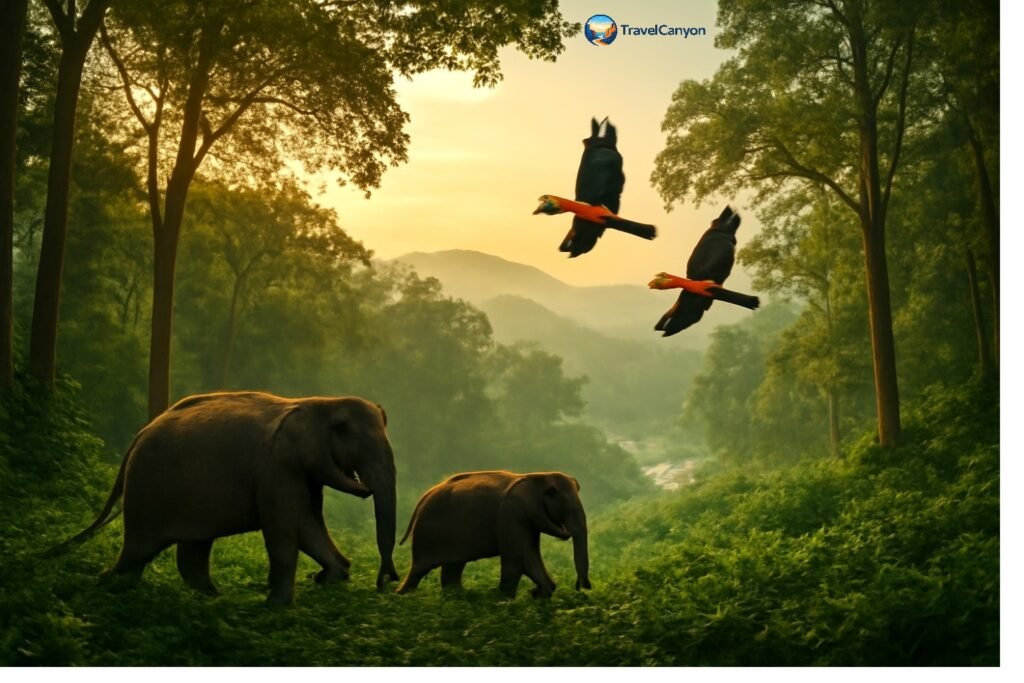
Why Assam Is a Paradise for Nature & Wildlife Lovers
Assam stands as one of India’s most remarkable natural treasure troves, offering landscapes so diverse that every corner feels like a new ecosystem waiting to be explored. For wildlife enthusiasts, photographers, and eco-travelers, the state provides an unmatched combination of biodiversity, ideal climate, and growing sustainable tourism efforts.
Rich Biodiversity of Northeast India
Assam lies at the meeting point of the Eastern Himalayas and the Indo-Burma biodiversity hotspot—making it one of the most species-rich regions on the planet. From the majestic one-horned rhinoceros and wild water buffalo to rare primates, vibrant birdlife, and dense forest habitats, Assam offers a wildlife experience that is both dramatic and intimate. These untouched sanctuaries and hidden reserves are some of the best untouched wildlife spots in Assam, perfect for travelers seeking raw, uninterrupted nature.
Ideal Climate for Wildlife Safaris
Assam’s tropical climate supports thriving flora and fauna year-round, but the changing seasons significantly enhance wildlife sightings:
- Winter (November to February): Clear skies, cool weather, and dry grasslands make animal spotting easier during jeep safaris and river cruises. Migratory birds also flock to the state, making this the best season for birdwatchers.
- Summer (March to June): As temperatures rise, animals come out to water sources more frequently, increasing the chance of spotting elephants, rhinos, deer, and predators.
- Monsoon (July to September): While many sanctuaries may remain closed due to heavy rains, forests bloom with fresh greenery—perfect for researchers and conservation-focused travelers.
These seasonal shifts create dynamic wildlife experiences, ensuring every trip feels unique.
Eco-tourism Growth in Assam
Eco-tourism is flourishing across the region, with locals and conservation groups actively involved in protecting Assam’s pristine landscapes. Many of the state’s lesser-known reserves now offer guided safaris, eco-friendly lodges, village stays, and community-led nature programs. This sustainable growth not only enhances the traveler’s experience but also supports wildlife conservation and empowers local communities.
For anyone passionate about Assam nature reserves and safaris or eco-tourism and wildlife in Assam, the state offers endless opportunities to explore responsibly while witnessing nature at its purest.
Top Untouched & Lesser-Known Wildlife Sanctuaries in Assam
Assam is home to several hidden wildlife treasures that remain far from the usual tourist trails. These pristine sanctuaries offer peaceful landscapes, rare wildlife, and immersive safari experiences—perfect for travelers seeking raw, untouched nature.
Bherjan-Borajan-Padumoni Wildlife Sanctuary
Spread across three separate forest patches in Tinsukia district, Bherjan-Borajan-Padumoni Wildlife Sanctuary is one of Assam’s most secluded and least-explored natural gems. Despite its compact size, the sanctuary is known for its impressive primate population and thriving birdlife, making it a paradise for wildlife enthusiasts who prefer offbeat destinations.
Why It’s Untouched
Unlike larger parks, this sanctuary remains largely undiscovered due to its remote location and minimal commercial tourism. The dense forests, small villages around the area, and quiet surroundings help preserve its natural charm. Its offbeat nature ensures fewer crowds, quieter trails, and a more intimate connection with wildlife—ideal for travelers who want to escape the hustle of mainstream safaris.
Key Species & Unique Birdlife
Bherjan-Borajan-Padumoni is especially famous for its primate diversity, giving travelers a chance to spot species rarely seen elsewhere:
- Hoolock Gibbons – India’s only ape species
- Pig-tailed Macaques
- Capped Langurs
- Rhesus Macaques
The sanctuary is also a haven for birdwatchers, with a variety of colorful and rare species fluttering through the canopy. Expect sightings of:
- Green imperial pigeons
- Hornbills
- Woodpeckers
- Drongos
- Various migratory birds during winter
For anyone looking for the best untouched wildlife spots in Assam, this sanctuary stands out for its unique primate ecosystem.
Safari/Trekking Experience
There are no commercial jeep safaris here, which is exactly what preserves its untouched charm. Instead, visitors explore the sanctuary through:
- Guided nature walks along forest trails
- Birdwatching treks during sunrise or early mornings
- Community-led tours that allow travelers to learn about local ecology
These walking safaris allow for quiet observation and deeper immersion—perfect for nature lovers who enjoy slow, mindful travel.
Laokhowa Wildlife Sanctuary
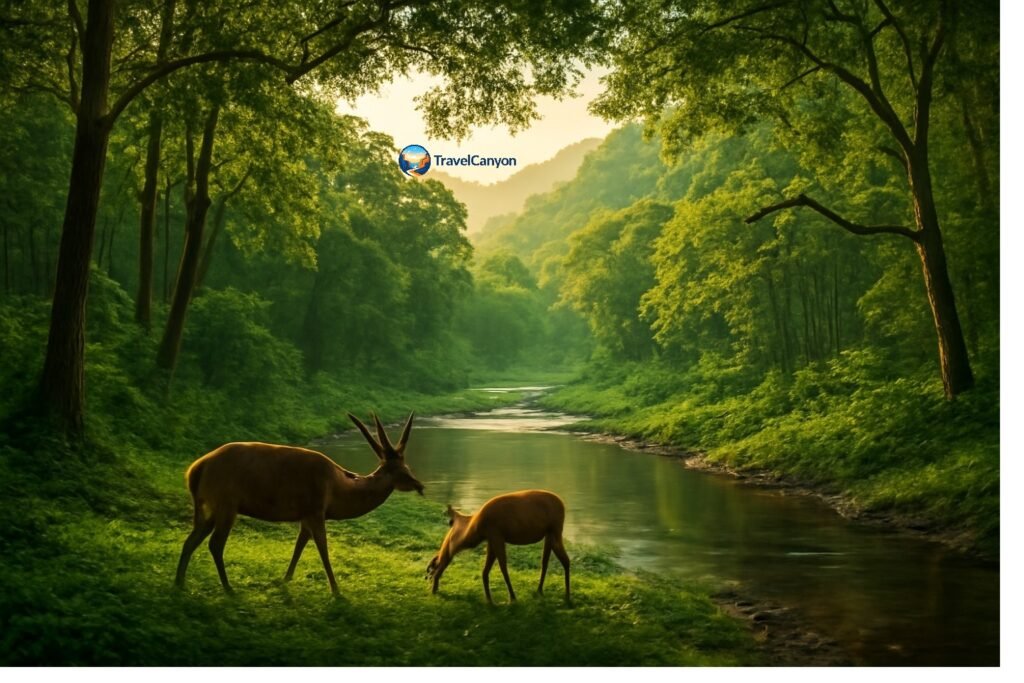
Laokhowa Wildlife Sanctuary is one of Assam’s most underrated natural gems—an ideal retreat for travelers seeking untouched wilderness without the usual tourist rush. Located along the mighty Brahmaputra River, this sanctuary is a breathtaking mix of wetlands, grasslands, and riverine ecosystems, making it a biodiversity hotspot.
Wetlands + Grassland Habitat
The stunning mosaic of freshwater marshes and sweeping grasslands creates a perfect home for numerous wildlife species. These nutrient-rich wetlands support fish, amphibians, and aquatic plants, which in turn attract large flocks of birds and grazing mammals throughout the year.
Famous for Migratory Birds, Rhinos & Buffaloes
Laokhowa is especially popular among bird enthusiasts due to its impressive population of migratory birds such as storks, herons, and ducks that arrive every winter. The sanctuary is also known for sightings of the Indian one-horned rhinoceros, which has been successfully reintroduced. Additionally, large groups of wild buffaloes, hog deer, and boars are commonly spotted grazing in the open landscapes.
With its untouched charm and thriving wildlife population, Laokhowa is one of the most rewarding wildlife sanctuaries in Assam to visit.
Bornadi Wildlife Sanctuary
Nestled along the foothills of the Eastern Himalayas, Bornadi Wildlife Sanctuary is a truly offbeat paradise for nature lovers seeking peace, pristine landscapes, and unique wildlife sightings. Its remote location and minimal commercial tourism make it a perfect example of Assam’s pristine nature reserves.
Offbeat Himalayan Foothill Experience
Bornadi offers a scenic blend of lush forests, rolling hills, and cool mountain breezes. Unlike the more crowded national parks, this sanctuary gives you a raw and intimate connection with nature—ideal for eco-tourists and trekking enthusiasts who enjoy exploring lesser-known trails.
Species: Golden Langur & Elephants
One of Bornadi’s biggest highlights is the rare and endangered Golden Langur, a species found only in a small region of Assam and Bhutan. The sanctuary is also home to Asian elephants, Himalayan black bears, leopards, barking deer, and a variety of exotic bird species.
Whether you’re a wildlife photographer, birder, or someone who loves untouched landscapes, Bornadi stands out as one of the best untouched wildlife spots in Assam.
Panidehing Bird Sanctuary
If there is one place that truly celebrates the harmony of wetlands, wildlife, and silence, it is Panidehing Bird Sanctuary. Located along the Brahmaputra’s floodplains, this sanctuary stands out as one of the most serene wildlife sanctuaries in Assam to visit, especially for bird enthusiasts and eco-travelers.
A Dream Destination for Birdwatchers
Panidehing is internationally recognized as an Important Bird Area (IBA), making it a top hotspot for anyone passionate about birdlife. During winter, thousands of migratory birds arrive from distant continents, turning the sanctuary into a vibrant, living canvas of wings and colors.
Home to 200+ Bird Species
With more than 200 species recorded, the sanctuary offers remarkable sightings, including:
- White-winged wood duck
- Spot-billed pelican
- Bar-headed goose
- Glossy ibis
- Openbill stork
- Several varieties of kingfishers, eagles, and bee-eaters
Whether you come with a high-end camera or a simple pair of binoculars, Panidehing promises an unforgettable glimpse into Assam’s pristine nature reserves and its thriving bird ecosystem.
Burachapori Wildlife Sanctuary
Hidden away from tourist rush and commercial crowds, Burachapori Wildlife Sanctuary is a peaceful retreat for travelers who want to immerse themselves in nature. Located along the Brahmaputra’s southern bank, it remains one of the most untouched and quiet wildlife spots in Assam.
Silent, Untouched Forest Trails
The sanctuary is known for its deep forest cover, tall grasses, and untouched wilderness. With fewer tourists around, the trails stay calm and pure—ideal for those who want to disconnect from noise and enjoy Assam’s raw natural charm.
Perfect for Slow Nature Walks
Burachapori is a haven for nature lovers who enjoy exploring at a relaxed pace. As you walk through the forest, you may spot animals such as:
- Hog deer
- Wild boar
- Bengal fox
- Various reptiles
- A wide diversity of birds
Soft bird calls, rustling leaves, and peaceful riverside paths make this sanctuary one of the finest places for eco-tourism and wildlife in Assam. It’s a destination where the wilderness still feels untouched and authentic.
Detailed Table: Untouched & Lesser-Known Wildlife Sanctuaries in Assam
| Sanctuary Name | Why It’s Untouched / Special | Key Species & Wildlife Highlights | Best Activities (Safari/Walks/Birding) | Best Time to Visit | Location & Terrain Type | Ideal For |
|---|---|---|---|---|---|---|
| Bherjan-Borajan-Padumoni Wildlife Sanctuary | A cluster of three tiny forest patches preserved from mass tourism; remains quiet and minimally disturbed. | Hoolock gibbons, capped langurs, macaques, rare woodland birds. | Short forest treks, guided primate spotting, nature walks. | October – April | Tinsukia district; dense forest patches. | Wildlife researchers, primate lovers, nature walkers. |
| Laokhowa Wildlife Sanctuary | Wetlands + grasslands with very low commercial activity; still retains its original ecological charm. | Migratory birds, Indian rhino, wild buffalo, hog deer, waterfowl. | Birdwatching, wetland safaris, grassland nature photography. | November – March | Nagaon district; marshes, wetlands, and grasslands. | Birders, wildlife photographers, eco-tourists. |
| Bornadi Wildlife Sanctuary | Secluded Himalayan foothill sanctuary with minimal tourist entry. | Golden langur, elephants, clouded leopard, barking deer. | Forest trekking, wildlife spotting, landscape photography. | October – March | Baksa & Udalguri districts; foothills of the Eastern Himalayas. | Adventure lovers, offbeat explorers, wildlife enthusiasts. |
| Panidehing Bird Sanctuary | A silent wetland untouched by mainstream tourism; paradise for migratory birds. | Over 200+ bird species including pelicans, geese, ibises, storks, ducks. | Birdwatching, wildlife photography, riverbank nature trails. | December – February | Sivasagar district; riverine floodplains and wetlands. | Birdwatchers, photographers, eco-travelers. |
| Burachapori Wildlife Sanctuary | One of the least explored protected forests; calm, peaceful, and minimally commercial. | Hog deer, wild boar, foxes, reptiles, numerous bird species. | Nature walks, forest trail exploration, quiet wildlife spotting. | November – April | Sonitpur district; grasslands, forest patches, riverbank areas. | Slow travelers, hikers, solitude seekers. |
Experiencing Assam’s Nature Reserves & Safaris
Assam’s untouched wildlife sanctuaries offer some of the most immersive nature experiences in India. Whether you’re cruising through wetlands, walking along riverbanks, or driving across golden grasslands, each activity brings you closer to the raw, pristine wilderness of the Northeast. Below are the key ways to experience these reserves, along with the best seasons and what travelers can expect.
Jeep Safaris Through Grasslands
Jeep safaris offer the most thrilling way to explore Assam’s grassland and wetland sanctuaries. The golden stretches of tall elephant grass and marshes make every minute of the ride scenic and unpredictable.
Best Timings & Seasons
- Early morning (6 AM – 9 AM): Ideal for spotting rhinos, deer, foxes, and wild buffaloes.
- Late afternoon (3 PM – 5 PM): Great for photographing wildlife in warm, golden light.
- Peak Season: November to March — when grasslands are dry and animals are more visible.
What to Expect
Expert local guides who share insights on flora, fauna, and conservation efforts
Close encounters with wildlife such as rhinos (Laokhowa), elephants (Bornadi), and deer species.
Wide, open landscapes perfect for photography.
Mild winter temperatures that make the safari comfortable and enjoyable.
Birdwatching Trails & Riverine Walks
With sanctuaries like Panidehing and Bherjan-Borajan-Padumoni, Assam is a paradise for bird lovers. Birdwatching trails often pass through forest patches, wetlands, and riverbanks filled with migratory and resident bird species.
Best Timings & Seasons
- Morning (6 AM – 8 AM): When birds are most active and lighting is perfect.
- Winter (November to February): Peak migration season with thousands of birds arriving from Central Asia and Europe.
What to Expect
- Sightings of over 200+ bird species such as pelicans, ibises, geese, storks, and kingfishers.
- Serene nature walks through forests and wetlands.
- Opportunities for macro photography and spotting primates in forest sanctuaries like Bherjan-Borajan-Padumoni.
- Calm trails with minimal tourist presence — ideal for slow, mindful travel.
Eco-friendly Boating Safaris
In some riverine sanctuaries, boating safaris offer an eco-friendly way to explore Assam’s rich biodiversity. These boat rides glide through calm waters, offering peaceful views of floodplains, migratory birds, and riverbank wildlife.
Best Timings & Seasons
- Winter & Early Spring (December to April): Water levels are stable and visibility is high.
- Morning rides: Best for spotting birds and animals on riverbanks.
- Evening rides: Ideal for scenic sunsets and photography.
What to Expect
- Smooth, quiet boat rides that allow you to observe wildlife without disturbance.
- Beautiful river landscapes dotted with birds and marsh animals.
- Opportunities to spot herons, storks, and sometimes river dolphins depending on location.
- A sustainable experience that supports local eco-tourism.
Why These Spots Are Considered Assam’s “Pristine Nature Reserves
Assam’s untouched wildlife sanctuaries stand apart from mainstream destinations because they have managed to preserve their raw, authentic ecosystems. These reserves remain some of the most unspoiled, biodiverse, and ecologically valuable natural landscapes in India. Here’s why they truly deserve the title of Assam’s pristine nature reserves:
Low Tourist Footfall
One of the biggest reasons these sanctuaries remain pristine is their limited human interference.
Unlike major parks such as Kaziranga, these lesser-known sanctuaries receive very few visitors, helping them maintain their natural charm.
Why It Matters
- Wildlife stays undisturbed and behaves naturally.
- Trails remain quiet, peaceful, and ideal for solitude seekers.
- No commercial clutter — no crowds, noise, or pollution.
- Perfect for travelers who prefer slow, mindful, eco-friendly experiences.
Low tourism ensures that the forests, wetlands, and grasslands retain their original beauty and ecological balance.
Unspoiled Natural Habitats
These sanctuaries are home to some of the purest and least altered habitats in Assam, ranging from riverine floodplains to Himalayan foothills.
What Makes the Habitats Special
- Untouched wetlands that host thousands of migratory birds (Panidehing).
- Dense forest patches still thriving naturally (Bherjan-Borajan-Padumoni).
- Pristine grasslands & marshes ideal for rhinos and wild buffaloes (Laokhowa).
- Mountain foothill forests that protect rare primates and elephants (Bornadi).
The limited human activity ensures these ecosystems continue to function as they have for centuries.
These habitats are perfect examples of raw, unaltered wilderness, making them highly valuable for both nature lovers and researchers.
High Conservation Value
Beyond their beauty, these sanctuaries play a vital role in wildlife conservation in Northeast India. Many of them protect rare, endangered, and sensitive species that depend on these ecosystems for survival.
Conservation Importance
- Sanctuaries like Bornadi protect the endangered Golden Langur, found only in a few regions.
- Wetlands like Panidehing help conserve over 200+ bird species, including many migratory species.
- Grasslands in Laokhowa support rhinos, wild buffaloes, and wetland mammals.
- Forest patches help maintain genetic diversity and ecological stability.
These reserves act as safe zones, ensuring wildlife populations can thrive without pressure from human activities.
They are essential for maintaining Assam’s reputation as one of India’s richest biodiversity hotspots.
Eco-Tourism in Assam: Responsible Travel Guide
Assam’s untouched wildlife sanctuaries not only offer incredible natural beauty but also provide opportunities for eco-tourism—travel that supports conservation, respects local culture, and minimizes environmental impact. Practicing responsible tourism ensures these pristine habitats remain protected for generations to come.
Do’s and Don’ts for Wildlife Trips
Do’s:
- Hire local guides who know the terrain and wildlife patterns.
- Maintain a safe distance from animals to avoid disturbance.
- Carry binoculars and cameras, but avoid loud noises.
- Follow marked trails and respect signage.
- Take your garbage with you and dispose of it responsibly.
Don’ts:
- Do not feed animals; human food can harm them.
- Avoid littering or leaving non-biodegradable items behind.
- Never use flash photography near sensitive wildlife.
- Do not disturb nests, dens, or natural habitats.
Responsible behavior ensures your visit does not disrupt Assam’s delicate ecosystems.
How to Minimize Environmental Impact
- Use eco-friendly accommodation such as homestays, eco-lodges, or campsites.
- Prefer reusable bottles, bags, and containers to reduce single-use plastic.
- Stick to designated paths to prevent soil erosion and damage to flora.
- Avoid motorized vehicles in restricted zones; walking or boating safaris are less intrusive.
- Support wildlife conservation programs when possible.
Small actions can make a huge difference in preserving Assam’s pristine nature reserves.
Supporting Local Communities
Eco-tourism in Assam thrives when local communities benefit:
- Stay in homestays or locally-run lodges to support the economy.
- Buy handicrafts and local products, helping artisans preserve cultural traditions.
- Participate in community-led tours that provide insights into local customs, food, and wildlife.
- Engage in awareness programs or volunteer opportunities if available.
This approach ensures tourism empowers locals while protecting natural habitats.
Best Time for Eco-Tourism in Assam
- Winter (November – February): Ideal for wildlife spotting, migratory birds, and clear skies.
- Spring (March – May): Perfect for lush green landscapes, blooming flowers, and animal activity.
- Avoid Monsoon (July – September): Heavy rains can flood grasslands, reduce visibility, and limit accessibility.
Traveling during peak seasons not only improves your experience but also helps plan eco-friendly trips with minimal environmental stress.
FAQs About Assam’s Untouched Wildlife Sanctuaries
1. Which are the best untouched wildlife sanctuaries in Assam to visit?
Some of the best untouched sanctuaries include Bornadi, Laokhowa, Bherjan-Borajan-Padumoni, Burachapori, and Panidehing Bird Sanctuary, known for pristine habitats and low tourist crowds.
2. What makes Assam’s nature reserves unique?
Assam’s reserves offer a blend of riverine forests, wetlands, Himalayan foothills, and rare species, creating biodiversity-rich landscapes unlike anywhere else in India.
3. When is the best time to explore these wildlife sanctuaries?
The ideal time is November to April, when the weather is pleasant and wildlife sightings are more frequent.
4. Are these wildlife sanctuaries suitable for eco-tourism?
Yes. Assam promotes responsible, sustainable tourism, supporting conservation and local communities.
5. Can beginners enjoy birdwatching and safaris here?
Definitely. Sanctuaries like Panidehing and Laokhowa are beginner-friendly with guided birding and easy trails.
6. Do I need entry permits for these sanctuaries?
Some sanctuaries offering safaris or guided visits may require permits. Check with local forest offices in advance.
7. What wildlife species can I expect to see?
You may spot elephants, golden langurs, leopards, wild buffaloes, rhinos, and a wide range of migratory birds.
8. Are accommodation options available nearby?
Yes. Many eco-lodges, forest guest houses, and homestays are available near most untouched reserves.
9. Is it safe to explore remote wildlife sanctuaries in Assam?
Yes, it is safe when you travel with guides, follow forest rules, and maintain safe distance from wildlife.
10. What should I pack for a wildlife trip in Assam?
Pack trekking shoes, binoculars, warm clothes (winter), water bottle, insect repellent, camera, and basic medicines.