
Nestled deep within the verdant, rolling landscapes of Odisha, India, the tikarpada wildlife sanctuary stands as a breathtaking testament to nature’s pristine beauty and ecological resilience. For nature lovers, environmentalists, and wildlife enthusiasts, this sanctuary is far more than just a tourist destination; it is a vibrant, breathing ecosystem where the intricate dance of flora and fauna unfolds daily. Located in the Angul district, approximately 140 kilometers from the state capital of Bhubaneswar, this protected area is an absolute haven for India’s unique biodiversity.
Spanning an impressive expanse of 795.52 square kilometers, the sanctuary is most famously characterized by the magnificent Satkosia Gorge. Here, the mighty Mahanadi River forcefully carves its way through the rugged, ancient terrain of the Eastern Ghats, creating a stunning 22-kilometer-long canyon that leaves visitors in awe. The deep, meandering waters of the gorge, flanked on both sides by towering, densely forested hills, provide an idyllic backdrop that feels worlds away from the noise and pollution of modern urban life.
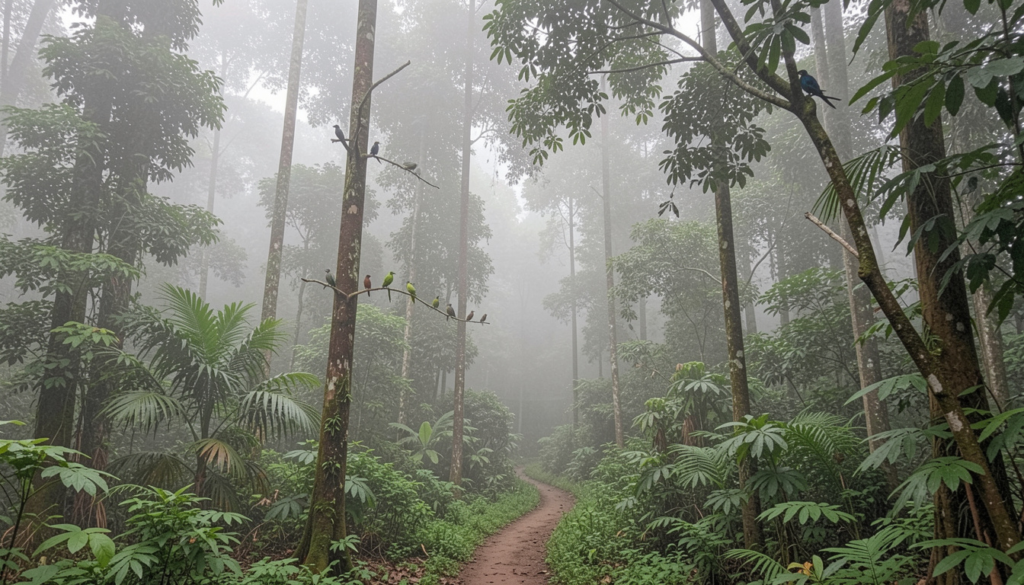
The significance of the tikarpada wildlife sanctuary extends far beyond its sweeping visual appeal. It is a critical biological hotspot that supports a myriad of life forms, many of which are rare, vulnerable, or critically endangered. For researchers and environmentalists, it serves as an invaluable living laboratory to study riverine ecosystems, predator-prey dynamics, and the success of localized conservation efforts. For the everyday traveler, it offers an unparalleled opportunity to disconnect from technology and reconnect with the wild. Whether it is the thrilling possibility of spotting a leopard camouflaged in the underbrush, the serene experience of watching endemic birds take flight over the Mahanadi, or the simple joy of breathing in crisp, unpolluted forest air, the sanctuary caters to every facet of sustainable eco-tourism.
As you journey through the winding roads leading to this natural paradise, the transition from concrete jungles to true wilderness is palpable. The tikarpada wildlife sanctuary remains a cornerstone of Odisha’s natural heritage, warmly inviting all who visit to observe, learn, and actively contribute to the vital mission of environmental preservation.
| Feature | Details |
|---|---|
| Location | Odisha, India |
| Area | Approx. 79.6 sq. km |
| Established | 1981 |
| Governing Body | Odisha Forest Department |
| Nearest City | Balasore |
| Terrain | Riverine, tropical forests, wetlands |
| Famous For | Flora, fauna, river ecosystems, birdwatching |
History of Tikarpada Wildlife Sanctuary
Understanding the origins and evolution of the tikarpada wildlife sanctuary is essential to truly appreciating its current ecological value. The history of this protected area is deeply intertwined with the broader environmental awakening that swept through India in the late 20th century, particularly concerning the alarming and rapid decline of the country’s aquatic reptiles.
The sanctuary was officially established in the year 1975. During this pivotal era, wildlife authorities and the Government of Odisha recognized the urgent need to protect the unique and fragile ecosystem surrounding the Mahanadi River basin. The primary catalyst for the sanctuary’s formation was the critical endangerment of the Gharial (Gavialis gangeticus), a fascinating fish-eating crocodile native only to the Indian subcontinent. The deep, fast-flowing waters and pristine sandy banks of the Satkosia Gorge provided the perfect natural habitat for these ancient creatures. Yet, their numbers were dwindling at an alarming rate due to unregulated hunting, fishing net entanglements, and severe habitat disruption.

Upon its formal establishment, the primary directive of the sanctuary was to serve as a secure breeding and rehabilitation zone specifically for the Gharial. The government initiated pioneering conservation programs, including a dedicated Rescue and Rehabilitation Centre designed to carefully incubate crocodile eggs, safely rear the hatchlings, and eventually release them back into the wild waters of the Mahanadi. Over the decades, the scope of conservation at the tikarpada wildlife sanctuary expanded significantly. It evolved from a single-species rescue operation into a comprehensive environmental protection initiative encompassing the entire 795.52 square kilometers of its designated forested area.
Historically, the region has always been a space of quiet, respectful coexistence between indigenous forest-dwelling communities and the wild. However, as the sanctuary gained formal protected status, new scientific regulations were introduced to curb deforestation, restrict commercial logging, and limit unregulated human movement in the sensitive core zones. These ongoing government initiatives, strongly supported by various wildlife NGOs, have successfully preserved the rich biodiversity that defines the region today.
Key Historical Milestones:
- Year of establishment: 1975
- Area at establishment: 795.52 square kilometers
- Major milestones: Launch of the Gharial breeding project; integration into the larger Satkosia Tiger Reserve landscape; successful rearing and release of captive-bred crocodiles into the Mahanadi ecosystem.
Geography and Climate of Tikarpada Wildlife Sanctuary
The physical landscape of the tikarpada wildlife sanctuary is a masterclass in geographical diversity. The terrain represents a dramatic and beautiful collision of aquatic and terrestrial ecosystems, primarily shaped by the relentless, carving flow of the Mahanadi River. As the river enters the Eastern Ghats, it dramatically narrows and deepens, forming the iconic 22-kilometer-long Satkosia Gorge. This gorge is the undisputed geographical heart of the sanctuary, featuring steep cliffs that plunge directly into the water, creating a stunning visual contrast against the deep blue of the river below.
Beyond the gorge, the topography rolls into a mesmerizing series of undulating hills, deep valleys, and expansive riverine plains. The forests are dense and varied, changing in character as the elevation and proximity to the water shift. This varied terrain creates distinct micro-habitats, allowing an incredibly diverse range of plant and animal species to thrive in close proximity to one another. The sandy banks along the river provide crucial basking and nesting grounds for crocodiles and freshwater turtles, while the dense upper canopies of the hills offer sanctuary for large mammals and avian predators.
The climate of the tikarpada wildlife sanctuary is typically tropical, heavily influenced by the seasonal monsoons that sweep across the Indian subcontinent. The region experiences three distinct seasons, each dramatically altering the sanctuary’s appearance and the behavior of its wildlife:
- Summer (March to June): The climate becomes hot and dry, with temperatures frequently soaring. During this time, the deciduous forest sheds many of its leaves, and the undergrowth thins out. While the intense heat can be challenging for tourists, it is an exceptionally rewarding time for wildlife viewing, as animals are forced out of the dense cover to congregate around the shrinking water sources of the Mahanadi River.
- Monsoon (July to October): The region receives heavy rainfall, which breathes abundant life back into the forest. The sanctuary transforms into a vibrant, impenetrable sea of bright green. The Mahanadi swells dramatically, often rendering parts of the sanctuary completely inaccessible. This season is vital for the ecosystem’s regeneration but is generally closed to general tourism for safety and conservation reasons.
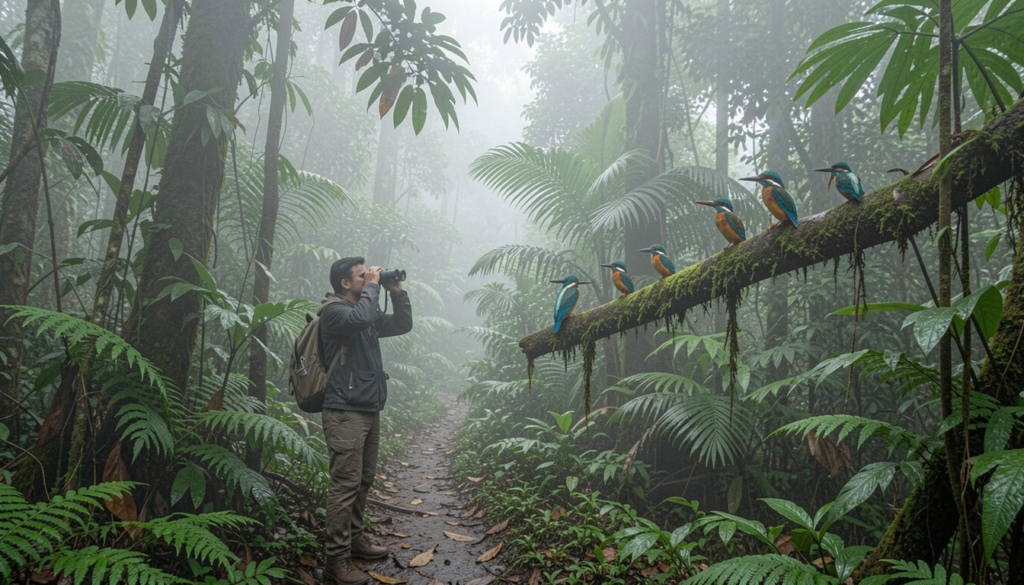
- Winter (November to February): This is universally considered the ultimate season to visit. The weather is cool, crisp, and highly pleasant, with mystical mist often rolling off the river in the early mornings. The post-monsoon foliage is lush, and migratory birds arrive in spectacular numbers, making it an ideal time for photography and leisurely exploration.
| Parameter | Details |
|---|---|
| Climate Type | Tropical, with wet and dry seasons |
| Average Temperature | 22°C – 38°C |
| Annual Rainfall | 1500 – 2000 mm |
| Best Visiting Months | November – February |
| Peak Monsoon | June – September |
| Terrain Features | Wetlands, rivers, dense forests |
Geographical and Climatic Highlights:
- Average temperature range: 10°C (Winter minimum) to 42°C (Summer maximum)
- Rainfall patterns: Heavy monsoonal rains from July to September, averaging around 1,400 mm annually.
- Best months to visit: October to March
- Types of terrain present: Deep river gorges, steep hills, deciduous forests, and sandy riparian zones.
Flora of Tikarpada Wildlife Sanctuary
The botanical wealth of the tikarpada wildlife sanctuary is a fundamental pillar of its ecological health. The vegetation here is classified primarily as a unique mix of dry deciduous and moist peninsular Sal forests, beautifully interspersed with specialized riverine patches along the banks of the Mahanadi. This dense, multi-layered green canopy is not just stunning scenery; it is the literal lifeblood of the sanctuary. It provides essential food, secure shelter, and breeding grounds for thousands of creatures, while simultaneously regulating the local climate and preventing catastrophic soil erosion along the steep gorge walls.
Trees
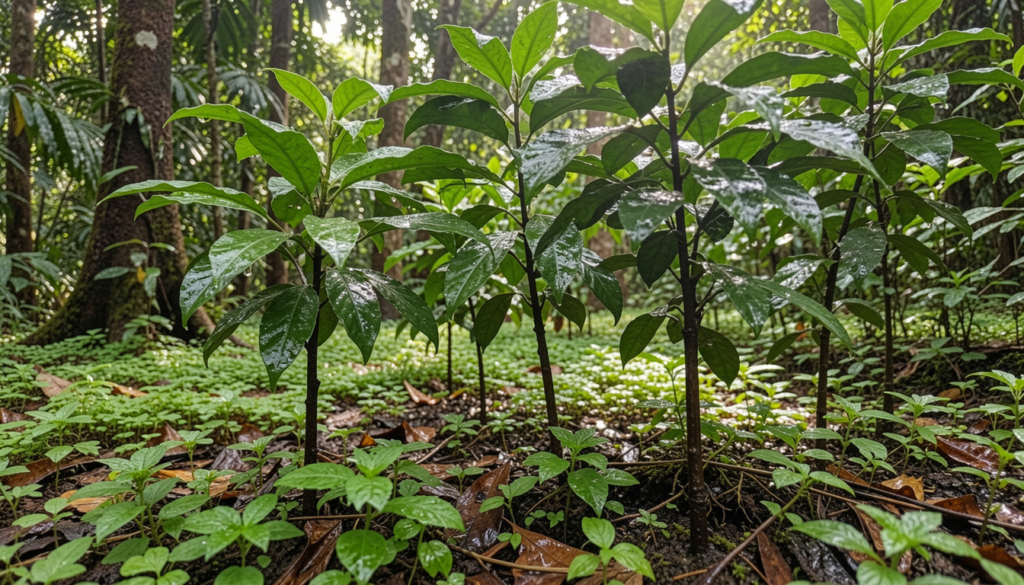
The undisputed king of the sanctuary’s flora is the majestic Sal tree (Shorea robusta). These towering giants form the bulk of the upper forest canopy, their broad leaves providing deep, cooling shade to the forest floor. In the harsh summer, when the Sal trees shed their leaves, the ground is blanketed in dry foliage, which eventually breaks down during the monsoon to rich humus, fertilizing the soil. Alongside the Sal, the forest features a robust and healthy population of Teak, Bamboo, Asan, Dhaura, and Indian Rosewood. The presence of dense bamboo thickets is of particular ecological importance, as it serves as a primary food source for the sanctuary’s resident elephant population.
Shrubs and Herbs
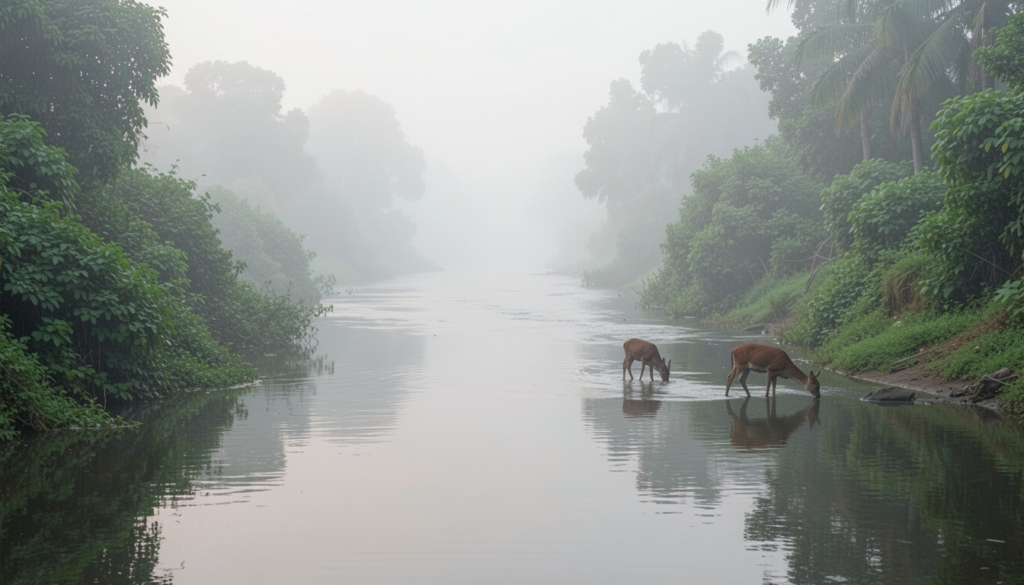
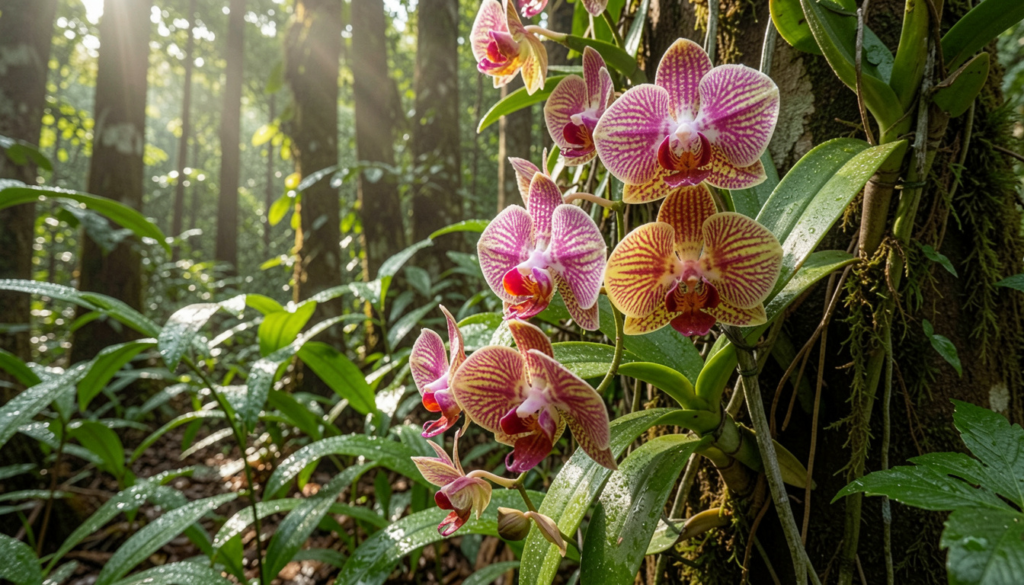
Beneath the towering timber lies a complex, thriving understory of shrubs, thick climbers, and herbaceous plants. This dense undergrowth is absolutely crucial for smaller mammals, reptiles, and ground-dwelling birds who rely on it entirely for cover from overhead predators. During the monsoon and post-monsoon seasons, the forest floor erupts into a spectacular display of life, featuring lush ferns, delicate wild orchids, and seasonal wildflowers that add vibrant splashes of color to the overwhelmingly green landscape.
Medicinal Plants
One of the most fascinating aspects of the flora at the tikarpada wildlife sanctuary is the sheer abundance of highly potent medicinal plants. For countless centuries, the indigenous tribal communities living on the fringes of the forest have relied on these specific plants for traditional healing and Ayurvedic medicine. Species such as Ashwagandha, Amla, Harida, and various rare medicinal creepers grow wild and undisturbed here. The sanctuary acts as a massive natural botanical garden, actively preserving these valuable genetic resources from the very real threats of over-harvesting and commercial exploitation.
| Plant Category | Notable Species | Uses / Significance |
|---|---|---|
| Trees | Sal, Teak, Bamboo | Timber, shade, habitat for wildlife |
| Shrubs | Lantana, Eupatorium | Medicinal, soil retention |
| Herbs | Tulsi, Aloe Vera | Medicinal and cultural uses |
| Medicinal Plants | Neem, Ashwagandha | Traditional medicine |
| Endangered Species | Rare orchids, Sandalwood | Biodiversity conservation |
Flora Highlights:
- Rare plant species: Various delicate wild orchids and endemic fern species found exclusively in the damp, shaded micro-climates of the gorge.
- Endemic plants: Specialized riparian (riverbank) vegetation perfectly adapted to survive the dramatic, seasonal water level changes of the Mahanadi.
- Plants used by local communities: Sarpagandha (used traditionally for blood pressure management), Neem, and Mahua (utilized for both holistic medicine and traditional tribal beverages).
Fauna of Tikarpada Wildlife Sanctuary
The vibrant, thumping heartbeat of the tikarpada wildlife sanctuary is found in its extraordinary fauna. The sanctuary’s unique geographical position—seamlessly combining dense, mountainous terrestrial forests with a massive, free-flowing freshwater river system—allows it to support an astonishing variety of wildlife. From the stealthy apex predators prowling the dense undergrowth to the prehistoric reptiles lurking in the dark river depths, the sanctuary is a thriving, dynamic hotspot of biodiversity.

Mammals
The dense woodlands of the sanctuary are home to some of India’s most iconic and elusive mammals. The Royal Bengal Tiger and the Indian Leopard serve as the apex predators of this ecosystem, relying heavily on the rich prey base to survive. Herds of large, majestic herbivores, including the massive Indian Gaur (bison), Sambar deer, Spotted deer (Chital), and the notoriously shy Barking deer, roam the forests in large numbers. The sanctuary is also an incredibly important migratory corridor for the Asiatic Elephant, with family herds frequently moving gracefully through the bamboo-rich valleys. Other notable, though elusive, mammals include the critically endangered Indian Pangolin, the formidable Sloth Bear, Wild Boars, troops of Rhesus Macaques, and the stealthy Jungle Cat.
Birds
For avid avian enthusiasts, the tikarpada wildlife sanctuary is nothing short of paradise on earth. The highly diverse habitats—ranging from muddy riverbanks and quiet wetlands to the towering heights of the dense canopies—support hundreds of resident and migratory bird species. The deep forests frequently echo with the distinct calls of the colorful Indian Pitta, the magnificent and large-casqued Malabar Pied Hornbill, and the agile Racket-tailed Drongo. Red Jungle Fowls dart quickly through the underbrush, while majestic, keen-eyed raptors like the Crested Serpent Eagle and the Osprey circle high overhead, continuously scanning the river surface for an easy catch. During the cooler winter months, the Mahanadi River becomes a bustling temporary home for vast flocks of migratory waterfowl, adding yet another layer to the sanctuary’s vibrant avian tapestry.
Reptiles and Amphibians
The true, defining claim to fame for this sanctuary lies in its incredible reptilian residents. The deep, swirling waters of the Satkosia Gorge are widely recognized as one of the last remaining strongholds for the critically endangered Gharial. These unique, long-snouted, fish-eating crocodiles share the waters with the more robust, opportunistic Mugger crocodiles. The sandy banks are frequently dotted with different species of freshwater turtles leisurely basking in the afternoon sun. Moving further inland, the sanctuary supports a remarkably healthy and diverse population of snakes, including the massive Indian Rock Python, the highly venomous King Cobra and Russell’s Viper, alongside various species of non-venomous rat snakes. The humid monsoon months also bring forth a fascinating array of tree frogs and toads.
Fauna Highlights:
- Total number of species: Home to hundreds of distinct species of birds, dozens of mammal species, and a rich, unparalleled variety of reptiles.
- Critically endangered species: The iconic Gharial (crocodile) and the highly trafficked Indian Pangolin.
- Conservation efforts: The sanctuary plays a vital, irreplaceable role in balancing natural predator-prey ratios and maintaining secure, undisturbed breeding grounds away from human interference.
Conservation Efforts at Tikarpada Wildlife Sanctuary
Preserving the highly delicate ecological balance of the tikarpada wildlife sanctuary requires tireless, round-the-clock effort, strategic scientific planning, and an unwavering, long-term commitment. The conservation narrative here is a complex, inspiring tapestry of direct government intervention, academic research, and grassroots community participation.
At the very forefront of the government’s initiatives is the globally recognized Gharial breeding and rehabilitation program. Because wild Gharial hatchlings face an incredibly low survival rate due to natural predators, strong currents, and shifting river dynamics, the sanctuary’s specialized Rescue and Rehabilitation Centre steps in to artificially incubate eggs safely collected from the wild. Once hatched, the vulnerable juveniles are carefully reared in safe, controlled, predator-free pools until they reach a robust size where they can successfully fend for themselves. At this stage, they are carefully tagged for tracking and released directly back into the Mahanadi. This intensive program has been an absolute cornerstone in preventing the localized extinction of the species.
Beyond protecting the aquatic life, the state Forest Department employs rigorous, modern anti-poaching measures to protect the sanctuary’s terrestrial mammals. Regular, armed foot patrols, the strategic establishment of anti-poaching camps deep within the inaccessible core of the forest, and the widespread use of modern monitoring technology like infrared camera traps help actively deter illegal hunting, poaching, and timber smuggling.
However, true, lasting conservation cannot happen in a vacuum. Acknowledging this reality, wildlife authorities have actively and successfully integrated local communities into the protection framework. Through Eco-Development Committees (EDCs), villagers living on the periphery of the sanctuary are provided with lucrative, sustainable alternative livelihood options—such as eco-tourism guiding, hospitality, or sustainable handicraft production. This significantly reduces their historical dependence on forest resources for survival. Furthermore, interactive environmental awareness campaigns are regularly conducted in local village schools to foster a deep sense of pride and environmental stewardship among the younger generation.
Despite these notable successes, significant challenges remain. Managing human-wildlife conflict, particularly incidents involving elephant herds raiding agricultural crops, and mitigating the ever-present, looming threat of climate change altering the river’s historical flow patterns, demand constant vigilance and highly adaptive management strategies from conservationists.
Conservation Highlights:
- Anti-poaching measures: 24/7 dedicated forest patrols and strict, uncompromising monitoring of all core zone boundaries.
- Forest protection programs: Proactive initiatives designed to prevent devastating forest fires during the dry, scorching summer months and strictly restrict illegal cattle grazing.
- Environmental awareness campaigns: Grassroots workshops directly educating local communities on the profound importance of biodiversity and the mutual benefits of harmonious coexistence.
| Animal Type | Common Species | Conservation Status |
|---|---|---|
| Mammals | Tigers, Elephants, Deer, Wild Boar | Endangered / Vulnerable |
| Birds | Kingfisher, Indian Roller, Migratory Waterfowl | Resident & Migratory |
| Reptiles | Monitor Lizard, Snakes, Turtles | Varies |
| Amphibians | Frogs, Toads | Not endangered |
| Notable Endangered Species | Gharial, Fishing Cat | Critically Endangered / Vulnerable |
Visiting Tikarpada Wildlife Sanctuary
Planning an expedition to the tikarpada wildlife sanctuary is an incredibly exciting endeavor, offering tourists a perfect, unforgettable blend of wilderness adventure and profound natural tranquility. Because of its highly protected ecological status, visiting requires a bit of thoughtful preparation to ensure a smooth, legal, and highly responsible experience.
How to Reach:
- By Air: The absolute nearest airport is the Biju Patnaik International Airport located in Bhubaneswar, roughly 140 kilometers away. From the airport terminal, visitors can easily hire private, air-conditioned taxis or take comfortable state-run buses directly to Angul.
- By Train: The closest major railway hub is located in Angul, about 58 kilometers from the sanctuary gates. Angul is exceptionally well-connected by rail to major Indian metropolitan cities.
- By Road: The sanctuary is highly accessible via well-maintained, scenic state highways. The drive from Bhubaneswar or Cuttack takes you through beautifully rustic rural landscapes, perfectly setting the mood for the deep wilderness that lies ahead.
Entry Fees, Permits, and Timings: Entry into the depths of the sanctuary is strictly regulated by the Forest Department. All visitors are required to obtain entry permits at the designated, official forest checkpoints. Nominal, highly affordable entry fees apply, with slight additional charges required for vehicles, professional cameras, and officially guided safaris. The sanctuary is generally open to eager tourists from early morning to early evening (typically operating from 8:00 AM to 5:00 PM). These strict timings ensure that the wildlife is left completely undisturbed during their critical, highly active twilight and nighttime hunting hours.
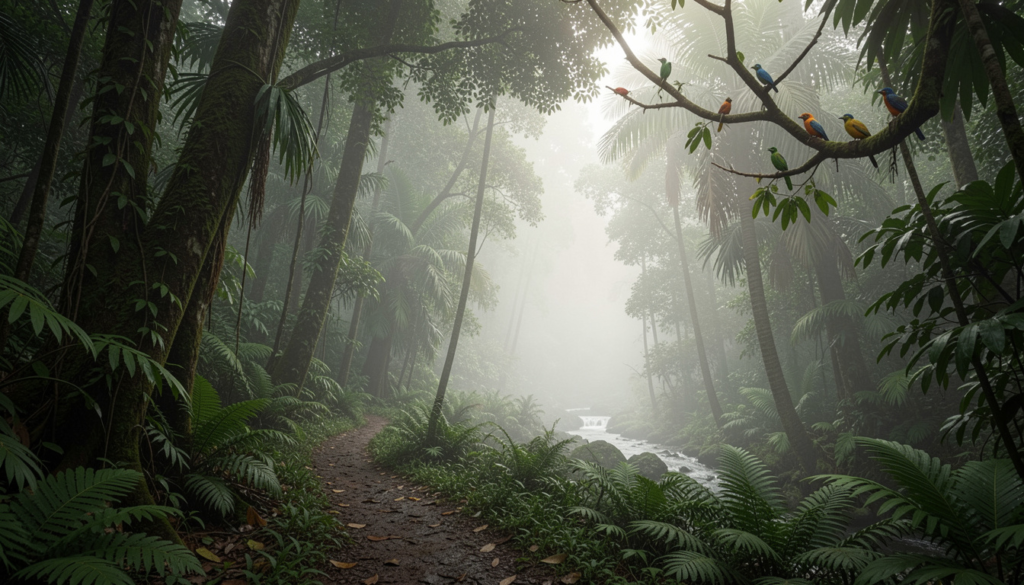
Best Time to Visit: The absolute optimal window for visiting this paradise is between the months of October and March. During these winter months, the weather is incredibly pleasant, the post-monsoon greenery is visually stunning, and the naturally lowered water levels of the river make it drastically easier to spot crocodiles actively basking on the exposed sandbanks. Furthermore, the winter season brings a spectacular host of migratory birds to the region, delighting bird watchers.
Accommodation Options: To provide a highly immersive wilderness experience without harming the delicate environment, the government and certified private operators offer incredible Eco-Tents and designated Nature Camps. These beautiful accommodations are strategically situated to offer breathtaking, unobstructed views of the Satkosia Gorge and the sprawling forest canopy. They provide basic, impeccably clean, and highly eco-friendly amenities, allowing guests to fall asleep to the natural lullabies of the jungle and wake up to the calls of exotic birds.
Visitor Checklist:
- Nearest airport, railway station, and road connectivity: Bhubaneswar (Airport), Angul (Railway), easily accessible and well-connected by State Highway.
- Safari timings: Morning slots (usually 7 AM – 10 AM) and Afternoon slots (3 PM – 5 PM).
- Local guides availability: Mandatory for entry and easily available at the gates; they provide invaluable safety instructions and unparalleled wildlife spotting expertise.
- Do’s and Don’ts: Do carry ample drinking water and intentionally wear muted, earth-toned colors; Don’t play loud music, use flash photography, or litter under any circumstances.
Activities at Tikarpada Wildlife Sanctuary
A visit to the tikarpada wildlife sanctuary is not meant to be passively observed through the dusty glass of a moving vehicle; it is designed to be a highly interactive, deeply immersive physical experience. The sanctuary offers a thrilling variety of nature-based activities that allow visitors to engage with the surrounding environment intimately, safely, and respectfully.
Wildlife Photography
For amateur and professional photographers alike, the sanctuary serves as a magnificent, sprawling canvas of endless possibilities. The dramatic, sweeping landscapes of the gorge, the raw, untamed power of the Mahanadi, and the incredibly diverse wildlife present constant opportunities for stunning, award-winning imagery. The true key to successful wildlife photography here is extreme patience and utilizing the right gear. Given the incredibly dense foliage and the safe distance usually maintained from animals across the river, a high-quality telephoto lens (at least 300mm to 600mm) is highly recommended. The sought-after “golden hours” of early morning just after sunrise and late afternoon just before sunset provide the absolute best natural lighting, casting a magical, warm glow over the water and vividly bringing the forest colors to life.
Trekking Trails and Nature Walks
For those who prefer to actively explore on foot, the sanctuary offers officially designated, safe trekking routes that wind beautifully through the buffer zones of the forest. Guided nature walks are an incredible, educational way to genuinely appreciate the smaller, often-overlooked micro-ecosystems of the jungle. Walking slowly allows you to notice the tiny wonders that fast-moving safaris often miss entirely—the intricate, dew-covered webs of giant orb-weaver spiders, the fresh tracks of a passing deer herd, or the rare medicinal plants skillfully pointed out by your indigenous local guide. These walks range from leisurely, easy strolls along the flat riverbank to much more challenging, heart-pumping hikes up the steep gorge cliffs that reward hikers with breathtaking panoramic views.
Boating and Bird Watching
Undoubtedly, one of the most popular and memorable activities is taking a serene, quiet boat ride directly on the surface of the Mahanadi River. Authorized, regulated river safaris offer a highly unique, water-level vantage point to safely observe the massive Gharials and Mugger crocodiles as they sunbathe lazily on the muddy banks. These boat rides are also the ultimate, premier bird-watching hotspots in the region. Drifting silently on the water allows you to get surprisingly close to nervous water birds, watch colorful kingfishers actively diving for their catch, and observe massive eagles gracefully soaring on the invisible thermal currents high above the gorge.
Activity Highlights:
- Recommended equipment for photography: DSLR or Mirrorless camera, a long telephoto lens, a sturdy travel tripod, and high-quality binoculars.
- Popular trekking routes: Designated, safe nature trails actively managed by the state Eco-Tourism board.
- Seasonal highlights: Crisp winter mornings are perfect for mist-covered river photography and migratory bird spotting; hot summer afternoons are ideal for observing thirsty animals gathering at the remaining water holes.
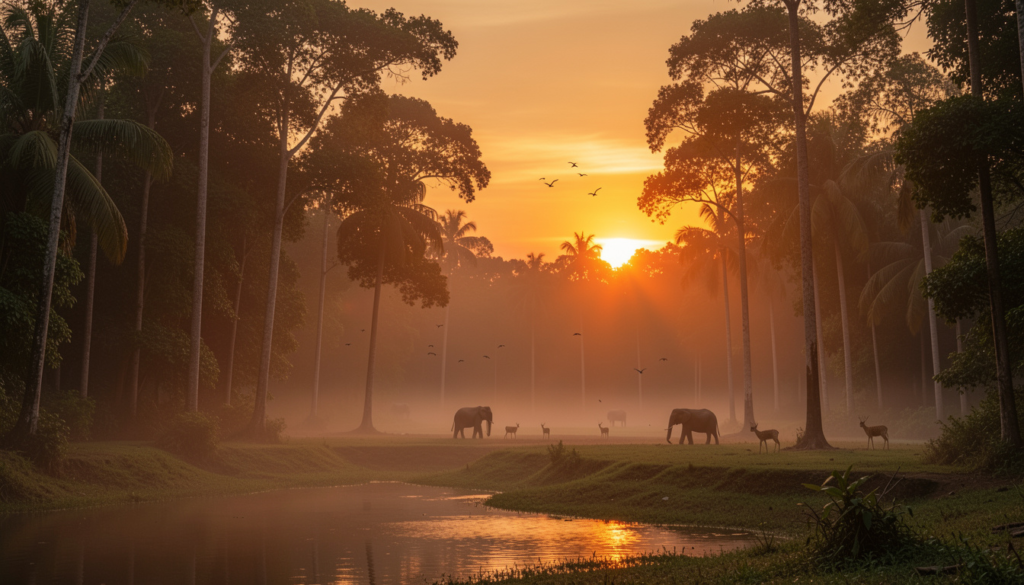
Local Culture Around Tikarpada Wildlife Sanctuary
The sprawling ecosystem of the tikarpada wildlife sanctuary is not completely devoid of human history; rather, it is deeply and beautifully enriched by the ancient indigenous communities that have proudly called these dense forests home for countless generations. Taking the time to understand the local culture is an integral, highly rewarding part of experiencing the sanctuary, as the daily lives of the people are inextricably and beautifully linked to the natural rhythms of the wild world around them.
The immediate periphery of the sanctuary is predominantly inhabited by various distinct tribal communities, most notably including the Kondh and the Juang tribes. For centuries upon centuries, these resilient communities have practiced a highly sustainable lifestyle of peaceful coexistence with the forest. Their traditional, passed-down knowledge regarding the specific medicinal properties of jungle plants, the predictable behavioral patterns of wild animals, and the shifting seasonal changes of the river is profoundly deep and highly accurate. Historically, their entire livelihood depended entirely on the sustainable, careful harvesting of Non-Timber Forest Products (NTFPs) like sweet Mahua flowers, large Sal leaves (expertly stitched to make eco-friendly plates), pure wild honey, and natural tree resins.
| Feature | Details |
|---|---|
| How to Reach | Nearest Airport: Bhubaneswar (200 km), Nearest Railway: Balasore |
| Entry Fee | ₹50 – ₹100 (per adult) |
| Best Time to Visit | November – February |
| Accommodation | Nearby lodges, guesthouses, and forest rest houses |
| Safari Timings | Morning: 6:00 – 10:00 AM, Evening: 3:00 – 6:00 PM |
| Do’s | Hire a local guide, carry water, follow park rules |
| Don’ts | Litter, feed animals, stray off trails |
Today, the dynamic interaction between the local tribes and the wildlife is rapidly evolving from mere traditional coexistence to an active, vital conservation partnership. Many motivated individuals from these communities are now officially employed by the state as knowledgeable forest guards, expert animal trackers, and friendly eco-tourism guides. This critical transition not only provides them with a stable, sustainable modern income but also effectively transforms them into the proud frontline defenders of the sanctuary they know so well.
The vibrant local culture is also vividly expressed through their energetic, colorful festivals, many of which are deeply and wonderfully rooted in ancient nature worship and shifting agricultural cycles. Festivals joyously celebrating the harvest or solemnly honoring ancient forest deities highly highlight their deep-seated, unwavering respect for the environment. Tourists lucky enough to visit the nature camps often have the incredible opportunity to experience this rich culture firsthand, tasting delicious traditional Odia cuisine prepared lovingly with locally sourced, organic ingredients, or purchasing beautiful, handcrafted souvenirs made expertly from local bamboo and terracotta.
Cultural Highlights:
- Key communities in the area: Ancient indigenous tribal groups possessing rich, unbroken ancestral ties to the forest.
- Festivals linked to nature: Vibrant harvest festivals and solemn, ancient rituals actively honoring forest spirits.
- Local handicrafts and souvenirs: Intricate bamboo crafts, beautiful tribal jewelry, and pure, organic forest honey.
Environmental Significance of Tikarpada Wildlife Sanctuary
In our modern era, increasingly defined by rapid, often destructive urbanization and growing global climate anxiety, the massive environmental significance of the tikarpada wildlife sanctuary simply cannot be overstated. It is not merely a pretty tourist attraction; it is a critical, highly functioning ecological engine that actively sustains life far beyond its physical, mapped borders.
First and foremost, the massive sanctuary provides truly invaluable, large-scale ecosystem services. The incredibly dense, unbroken forest cover acts as a massive, highly efficient natural water filter and regulator for the entire Mahanadi River basin. The deep, strong roots of the towering Sal and Teak trees physically bind the topsoil, actively preventing massive, catastrophic erosion and deadly landslides along the steep gorge walls during the torrential, punishing monsoon rains. This incredible natural watershed management guarantees a steady, clean, and reliable supply of freshwater for millions of human beings living miles downstream in the plains of Odisha.
Furthermore, the sanctuary serves globally as a highly vital carbon sink. The thousands upon thousands of acres of dense, unbroken, breathing forest actively absorb massive, unquantifiable amounts of carbon dioxide from our polluted atmosphere, playing a crucial, highly localized role in actively mitigating the severe impacts of global climate change. The noticeably crisp, incredibly clean air quality found within and immediately around the sanctuary is a direct, breathable testament to the immense purifying power of this vast expanse of greenery.
Most importantly, the tikarpada wildlife sanctuary acts as a highly secure, impenetrable fortress for global biodiversity. In a modern world where natural, untouched habitats are rapidly and tragically shrinking every day, heavily protected sanctuaries like this offer a vital final refuge for magnificent species teetering dangerously on the very brink of extinction. By fiercely protecting the top apex predators like tigers and the highly sensitive keystone aquatic species like the Gharial, the sanctuary successfully ensures that the entire, complex food web beneath them remains perfectly intact, balanced, and healthy.
Environmental Highlights:
- Contribution to carbon sequestration: Millions of mature trees continuously and actively absorbing harmful atmospheric carbon.
- Protection of river ecosystems: Naturally maintaining the steady flow, volume, and purity of the critical Mahanadi River.
- Habitat for endangered species: Providing a highly protected, strictly monitored breeding ground for flora and fauna currently facing devastating habitat loss globally.
Responsible Tourism at Tikarpada Wildlife Sanctuary
As the well-deserved popularity of the tikarpada wildlife sanctuary continues to grow year over year, the immense responsibility of preserving its pristine, untouched nature falls equally and heavily upon the shoulders of the very tourists who visit. Responsible tourism is not just a trendy marketing catchphrase here; it is an absolute, non-negotiable necessity required to ensure that heavy human footprints do not tragically trample and destroy the delicate, ancient ecological balance.
Practicing ethical, mindful wildlife watching is the absolute cornerstone of a highly responsible visit. Visitors must constantly remember that they are merely temporary guests in the animals’ permanent home. This strictly means maintaining a highly respectful, safe distance at all times, never attempting to illegally feed, call out to, or provoke the wildlife for a photograph, and adhering strictly to the officially designated walking trails and vehicle safari routes. Utter silence is truly golden in the forest; loud, booming voices, electronic music, or sudden, jarring noises cause immense, unseen psychological stress to the animals and completely ruin the serene experience for everyone else.
Actively minimizing your personal environmental impact requires conscious, daily effort. The entire sanctuary is a very strict, heavily enforced no-plastic zone. All tourists must carry durable, reusable water bottles and meticulously ensure that they take absolutely all their waste back out with them when they leave. Even seemingly harmless organic waste, like discarded apple cores or banana peels, should absolutely not be thrown into the forest, as it can severely disrupt the natural, specialized diet of smaller animals and introduce foreign bacteria.
Finally, practicing responsible tourism ultimately means actively and financially supporting the local economy in an ethical, sustainable manner. By consciously choosing to stay only in government-approved, eco-friendly camps, actively hiring indigenous local guides for all excursions, and directly purchasing authentic local handicrafts without haggling aggressively over pennies, visitors can directly and positively contribute to the vital economic upliftment of the very tribal communities that work tirelessly to protect the forest.
Responsible Tourism Checklist:
- Avoid littering and plastic use: Always carry reusable items and strictly practice a zero-tolerance “leave no trace” philosophy.
- Respect wildlife and habitats: Keep all noise levels down to a whisper, absolutely do not use flash photography at night, and never, ever feed the wild animals.
- Engage local guides and businesses: Willingly support the local economy to directly ensure that vital conservation remains a financially viable, highly attractive livelihood for the indigenous communities.

Conclusion: Preserving Tikarpada Wildlife Sanctuary
The unforgettable journey through the widely varied landscapes, the deep, rich history, and the incredibly vibrant ecosystems of this region reveals exactly why the sanctuary rightfully holds such a special, highly revered place in India’s natural heritage. From the massive, prehistoric Gharials silently patrolling the dark waters of the Satkosia Gorge to the incredibly elusive big cats moving like absolute shadows through the towering Sal forests, every single element of this sanctuary speaks loudly to the raw, unfiltered, and awe-inspiring beauty of the wild.
The profound significance of this heavily protected area extends far, far beyond mere visual aesthetics or weekend recreation. It is a highly vital, global carbon sink, a fierce protector of the massive Mahanadi River basin, and a critical, final sanctuary for critically endangered species that truly have nowhere else on earth to go. The highly dedicated, ongoing conservation efforts, which beautifully combine the strict, modern enforcement of the Forest Department with the deep, traditional, ancestral wisdom of local tribal communities, proudly offer a bright beacon of hope for the ultimate future of wildlife protection across India.
However, the continued survival of this priceless ecological treasure heavily relies on continuous public awareness and highly respectful, mindful engagement from the outside world. We enthusiastically invite tourists, dedicated researchers, and passionate nature lovers to come and explore this magnificent, sprawling wilderness, but we urge you to do so with acute mindfulness and a deep, unwavering sense of personal responsibility. Let the breathtaking, panoramic views and the highly thrilling, once-in-a-lifetime wildlife encounters deeply inspire a passionate, lifelong commitment to environmental preservation within you. By intentionally treading lightly and deeply respecting the delicate, complex balance of nature, we together can actively ensure that the majestic, untamed beauty of the tikarpada wildlife sanctuary proudly remains completely untouched, fiercely protected, and incredibly vibrant for many generations to come.