
India is one of the world’s richest countries in terms of biodiversity, where dense forests, grasslands, wetlands, and deserts together create a natural home for thousands of wildlife species. From the majestic Bengal tiger and Asiatic lion to rare birds and reptiles, the country offers unforgettable encounters for nature lovers. This is why travelers and photographers constantly search for the top 10 wildlife sanctuaries in India to experience authentic jungle adventures.
A jungle safari in India is not just about spotting animals — it’s about entering a living ecosystem. The early morning mist, alarm calls echoing through the forest, jeep tracks cutting through sal trees, and the thrill of unexpected sightings make every safari unique. Each sanctuary has its own terrain, climate, and wildlife behavior, making every destination special in its own way.
In this guide, we explore the top 10 wildlife sanctuaries in India that offer the best jungle safari experience, combining thrilling wildlife sightings, natural beauty, and well-managed tourism facilities for visitors seeking a true wilderness journey.
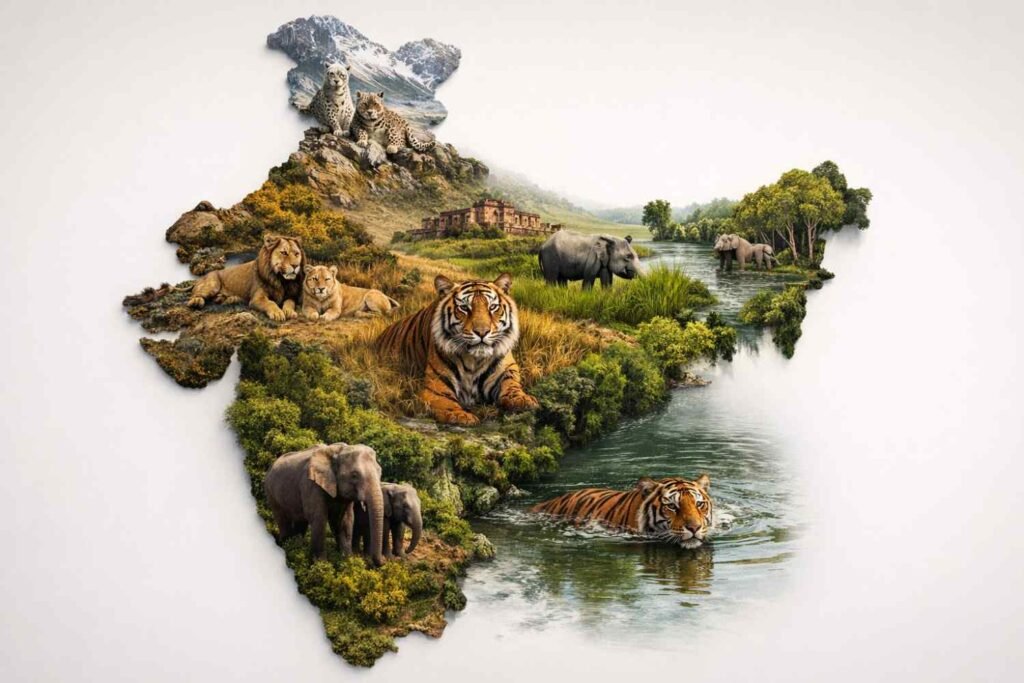
Why India is Famous for Wildlife Tourism
India is considered one of the world’s greatest wildlife destinations because of its incredible biodiversity of India, shaped by four major natural zones — the Himalayan mountains, tropical rainforests, grasslands, and arid deserts. These diverse landscapes support a vast range of ecosystems, allowing travelers to experience completely different jungle environments within one country.
The nation also holds more than 70% of the global wild tiger population, making it the best place on Earth for tiger safaris. Along with tigers, visitors can observe many unique animals found in India, including leopards, gaur, crocodiles, and hundreds of bird species across national parks and sanctuaries.
India is equally important for conservation because it protects several endangered animals in India such as the Asiatic lion in Gir, one-horned rhinoceros in Kaziranga, Asian elephants in the Western Ghats, and the elusive snow leopard in the Himalayas — species rarely seen anywhere else in the world.
Top 10 Wildlife Sanctuaries in India
| Sanctuary | State | Famous Animal | Best Time to Visit |
|---|---|---|---|
| Jim Corbett National Park | Uttarakhand | Bengal Tiger | November – June |
| Ranthambore National Park | Rajasthan | Royal Bengal Tiger | October – June |
| Kaziranga National Park | Assam | One-Horned Rhinoceros | November – April |
| Gir Wildlife Sanctuary | Gujarat | Asiatic Lion | December – March |
| Bandhavgarh National Park | Madhya Pradesh | Bengal Tiger | October – June |
| Sundarbans National Park | West Bengal | Swimming Tiger | September – March |
| Periyar Wildlife Sanctuary | Kerala | Asian Elephant | October – May |
| Kanha National Park | Madhya Pradesh | Barasingha (Swamp Deer) | October – June |
| Hemis National Park | Ladakh | Snow Leopard | May – September |
| Sariska Tiger Reserve | Rajasthan | Tiger & Leopard | October – June |
A simple introduction to the top wildlife sanctuaries in India so travelers can plan a jungle safari aligned with their interests and visiting season.
Detailed Guide to Top 10 Wildlife Sanctuaries in India
Exploring the top 10 wildlife sanctuaries in India is more than a travel plan — it’s a journey into some of the most diverse natural ecosystems on Earth. From dense Himalayan forests and dry deciduous jungles to mangrove wetlands and high-altitude cold deserts, each sanctuary offers a completely different safari atmosphere and wildlife behavior.
In this detailed guide, we will look closely at every destination, what makes it special, the animals you can expect to see, and why it deserves a place among the top 10 wildlife sanctuaries in India. This section will help travelers choose the right park based on their interest — whether it is tiger sightings, rare species, landscape beauty, or unique safari experiences.
1. Jim Corbett National Park, Uttarakhand
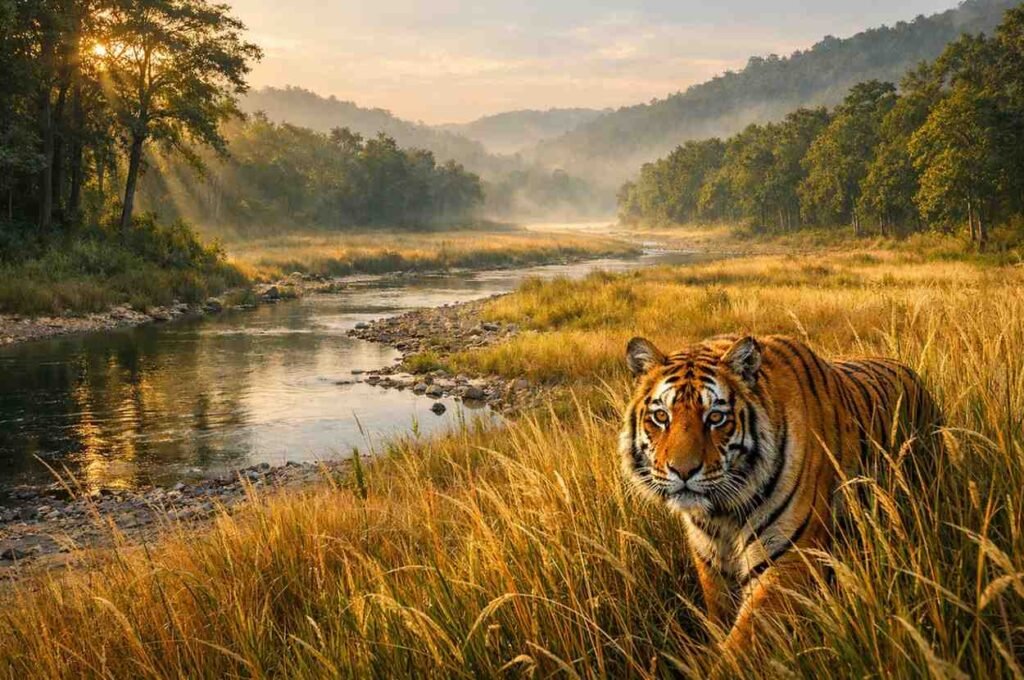
Located in the Himalayan foothills of Uttarakhand, Jim Corbett National Park features river valleys, grasslands, and dense sal forests. The varied terrain creates ideal conditions for wildlife movement and makes it one of the most scenic jungle safari destinations in India.
The park is famous for Bengal tigers, Asian elephants, leopards, crocodiles, and over 600 bird species, making it a paradise for wildlife photographers and bird watchers.
Best time to visit: November – June
Safari type: Jeep & canter safari
Nearest city: Ramnagar
Special attraction: Dhikala zone and river belt sightings
2. Ranthambore National Park, Rajasthan
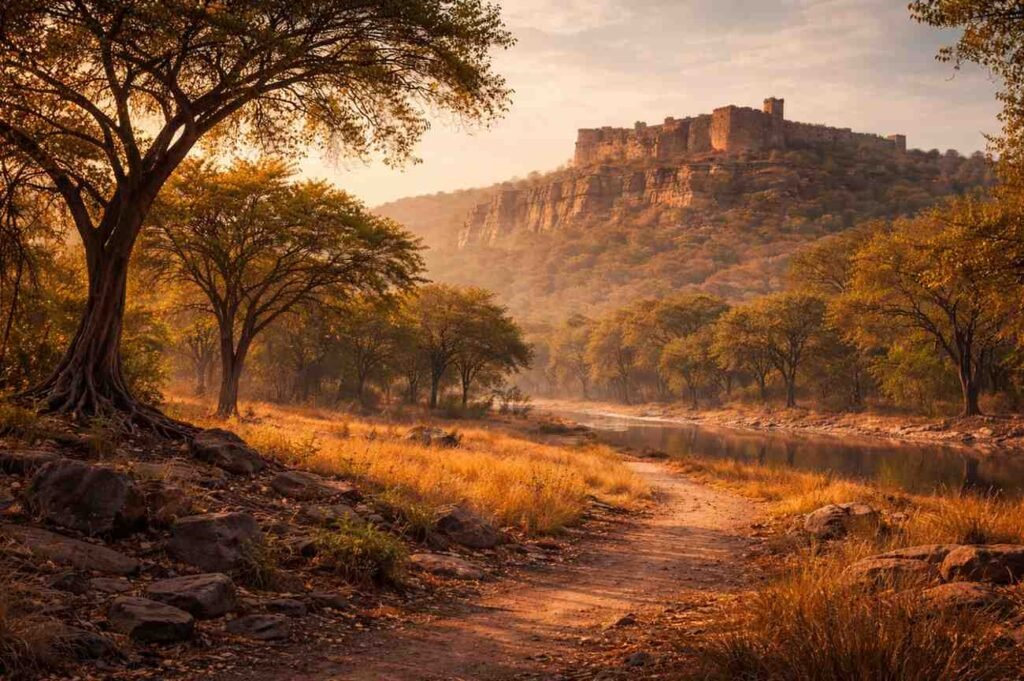
Situated in southeastern Rajasthan, Ranthambore combines dry deciduous forests with lakes and historic ruins. The dramatic landscape around Ranthambore Fort gives this sanctuary a unique identity among the top 10 wildlife sanctuaries in India.
Visitors commonly see tigers, leopards, sloth bears, marsh crocodiles, and large herds of sambar deer roaming freely across open zones.
Best time to visit: October – June
Safari type: Jeep & canter safari
Nearest city: Sawai Madhopur
Special attraction: Tigers near ancient fort ruins
3. Kaziranga National Park, Assam
Located in the floodplains of the Brahmaputra River, Kaziranga is dominated by tall elephant grass, wetlands, and marshland forests. This UNESCO World Heritage Site is one of the most biologically rich reserves in Asia.
The sanctuary protects one-horned rhinoceros, wild buffalo, swamp deer, elephants, and a growing tiger population along with migratory birds.
Best time to visit: November – April
Safari type: Jeep & elephant safari
Nearest city: Jorhat / Guwahati
Special attraction: Close rhino encounters
4. Sundarbans National Park, West Bengal
Spread across the Ganges delta, Sundarbans consists of tidal waterways and dense mangrove forests. It is the largest mangrove ecosystem in the world and offers a completely different safari experience from land-based parks.
The area shelters swimming Royal Bengal tigers, saltwater crocodiles, fishing cats, and diverse birdlife adapted to brackish water habitats.
Best time to visit: September – March
Safari type: Boat safari
Nearest city: Kolkata
Special attraction: Mangrove tiger tracking
5. Gir Wildlife Sanctuary, Gujarat
Located in the dry forests of Gujarat’s Saurashtra region, Gir is the only natural habitat of Asiatic lions. The teak forest landscape and open scrublands make wildlife viewing easier compared to dense jungles.
The sanctuary hosts Asiatic lions, leopards, hyenas, jackals, and numerous antelope species.
Best time to visit: December – March
Safari type: Jeep safari
Nearest city: Junagadh
Special attraction: Only wild lion population on Earth
6. Periyar Wildlife Sanctuary, Kerala
Nestled in the Western Ghats, Periyar features evergreen forests surrounding a large freshwater lake. The lush green scenery makes it one of the most peaceful reserves in the top 10 wildlife sanctuaries in India.
Elephants, gaur, deer, wild boar, and many bird species gather along the lake shores, especially during morning hours.
Best time to visit: October – May
Safari type: Boat safari & nature walk
Nearest city: Thekkady
Special attraction: Lake wildlife viewing
7. Bandipur National Park, Karnataka
Bandipur lies along the Mysore-Ooty highway and forms part of the Nilgiri Biosphere Reserve. Dry deciduous forests and grassy patches provide excellent grazing habitat for herbivores.
Visitors can spot elephants, gaurs, leopards, deer, and occasionally tigers moving through open forest corridors.
Best time to visit: October – May
Safari type: Jeep & bus safari
Nearest city: Mysuru
Special attraction: Large elephant herds
8. Kanha National Park, Madhya Pradesh
Located in central India, Kanha features vast meadows, sal forests, and bamboo groves. Its landscape inspired The Jungle Book and offers one of the most picturesque safaris in the country.
Kanha protects barasingha (swamp deer), tigers, leopards, wild dogs, and diverse bird species.
Best time to visit: October – June
Safari type: Jeep safari
Nearest city: Jabalpur
Special attraction: Barasingha conservation success
9. Hemis National Park, Ladakh
Hemis is a high-altitude cold desert sanctuary in Ladakh with rocky mountains and sparse vegetation. The terrain supports rare Himalayan wildlife adapted to extreme climates.
Snow leopards, blue sheep, Tibetan wolves, and Himalayan foxes inhabit this remote landscape.
Best time to visit: May – September (Winter for snow leopard tracking)
Safari type: Trekking safari
Nearest city: Leh
Special attraction: Snow leopard tracking expeditions
10. Keoladeo National Park, Rajasthan
Keoladeo is a wetland bird sanctuary in Bharatpur consisting of marshes and shallow lakes. It is among the finest birding destinations in Asia.
The park hosts migratory birds, painted storks, pelicans, cranes, and numerous waterfowl species.
Best time to visit: October – March
Safari type: Cycle rickshaw & walking trails
Nearest city: Bharatpur
Special attraction: UNESCO bird sanctuary experience
Best Time to Visit Wildlife Sanctuaries in India
Choosing the best time for wildlife safari in India depends on what you want to see. Animal movement changes with temperature, water availability, and migration patterns. While most parks open from October to June, each season offers a different safari experience across the top 10 wildlife sanctuaries in India.
| Season | Wildlife Visibility | Recommended Parks |
|---|---|---|
| Winter (Nov – Feb) | Pleasant weather, migratory birds, active herbivores | Keoladeo, Kaziranga, Periyar, Sundarbans |
| Summer (Mar – Jun) | Best tiger sightings near water sources | Ranthambore, Bandhavgarh, Kanha, Jim Corbett |
| Monsoon (Jul – Sep) | Lush greenery, fewer sightings, many parks closed | Open buffer zones & hill parks only |
Summer is considered the peak tiger safari season India because animals gather around shrinking waterholes, increasing spotting chances. Winter is ideal for birdwatchers and comfortable safaris, while monsoon months focus more on landscape beauty rather than wildlife visibility.
Wildlife Safari Tips for First Time Visitors
Planning your first jungle trip in the top 10 wildlife sanctuaries in India can be exciting, but preparation makes the experience far better. These practical safari tips India will help you enjoy wildlife responsibly while improving your chances of memorable sightings.
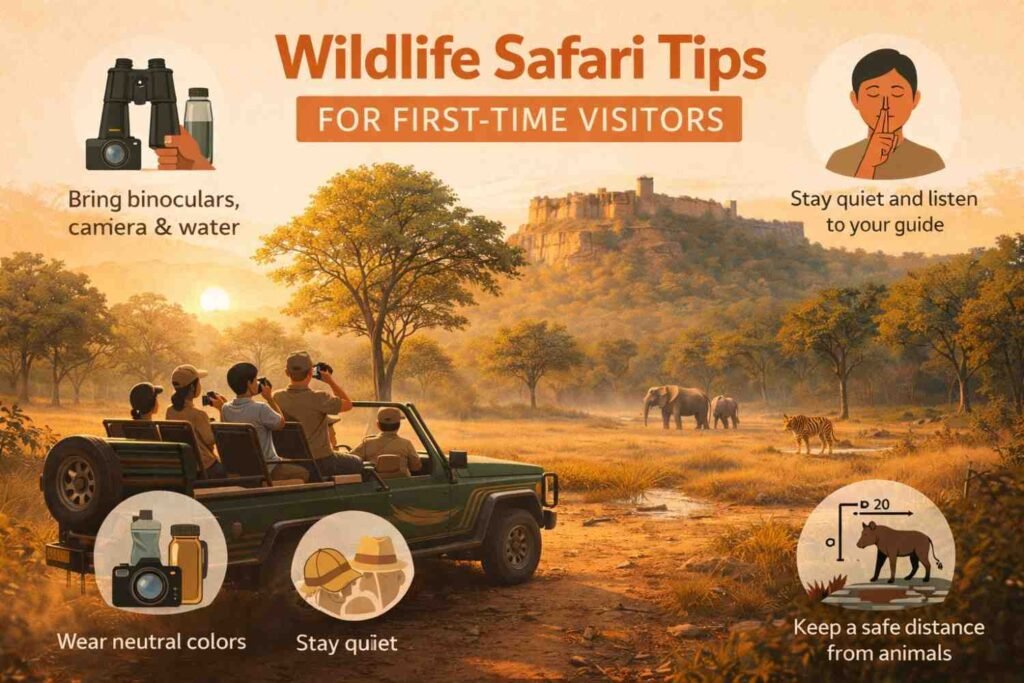
- Book safaris early: Most parks require online permits. Reserve jeep safaris 2–4 weeks in advance, especially during peak tiger safari months.
- Wear natural colors: Choose green, brown, or beige clothing. Bright colors disturb animals and reduce sighting chances.
- Carry the right camera gear: For beginners, a zoom lens (200mm or more) works best. Keep fast shutter speed and avoid flash for ethical wildlife photography.
- Stay silent and patient: Sudden movements scare animals away. Guides rely heavily on sound cues and alarm calls.
- Follow safety rules: Never stand inside the vehicle, feed animals, or leave designated tracks.
Responsible Tourism & Conservation
Visiting the top 10 wildlife sanctuaries in India comes with a responsibility to protect the very ecosystems we admire. Practicing responsible tourism ensures animals behave naturally and habitats remain undisturbed for future generations.
Never feed wild animals — it changes their behavior, makes them dependent on humans, and can even endanger their survival. Always follow forest guide instructions, maintain silence during safaris, and avoid littering or plastic use inside protected zones.
Many parks now promote eco-tourism through limited vehicles, trained naturalists, and community involvement. These efforts directly support wildlife conservation in India, helping protect endangered species like tigers, lions, rhinos, and elephants while also supporting local livelihoods.
Conclusion
A journey through the top 10 wildlife sanctuaries in India is more than travel — it’s stepping into nature’s raw, unscripted world. The distant alarm call in the forest, fresh paw prints on a dusty track, or a sudden glimpse of a tiger emerging from the trees creates moments no city experience can replace. Each sanctuary tells a different story, from misty Himalayan valleys to mangrove waterways and sunlit grasslands.
India’s remarkable biodiversity reminds us that we are visitors in a much older kingdom. Travel with curiosity, patience, and respect, and the jungle rewards you with memories that stay long after the safari ends.
Frequently Asked Questions (FAQs)
1. What is the most famous wildlife sanctuary in India?
Ranthambore, Jim Corbett, and Kaziranga are often ranked among the best in the top 10 wildlife sanctuaries in India because they offer reliable sightings, good infrastructure, and diverse ecosystems.
2. Where can I see tigers in India?
You can spot tigers in Ranthambore, Bandhavgarh, Kanha, and Jim Corbett. Summer months usually give the highest sighting probability near water sources.
3. What is the best month for jungle safari in India?
March to May is considered ideal for tiger sightings, while November to February is perfect for comfortable weather and birdwatching.
4. Are wildlife safaris safe?
Yes, safaris are safe when you follow forest department rules, stay inside vehicles, and listen to trained guides.
5. Which is the largest wildlife sanctuary in India?
Hemis National Park in Ladakh is the largest national park and a major highlight in the top 10 wildlife sanctuaries in India.
6. Do I need advance booking for safaris?
Yes, most parks require online permits booked days or weeks in advance, especially during peak seasons.
7. Can children go on jungle safari?
Yes, children are allowed, but they should remain quiet and seated throughout the safari.
8. What clothes should I wear on safari?
Wear neutral colors like green, brown, or beige to blend into the environment and avoid disturbing animals.
9. Is photography allowed inside wildlife sanctuaries?
Yes, photography is allowed, but flash photography is discouraged to avoid stressing wildlife.
10. Which sanctuary is best for birdwatching?
Keoladeo National Park in Rajasthan is one of the best birdwatching destinations in Asia.